
Achieving a stunning braid out on short natural hair is one of the most rewarding ways to showcase your texture while gaining impressive length and definition. Unlike a standard wash-and-go, a braid out uses a three-strand weaving technique to stretch the hair from the root, providing a structured wave pattern that resists shrinkage better than most other methods. For those with shorter lengths, this style is a game-changer because it creates the illusion of more volume and hang-time. By starting on damp, well-moisturized hair, you can transform tight coils into elongated, uniform ripples that can last for several days. It is the perfect blend of a protective setting and a high-impact aesthetic for naturalistas.
1. Traditional Three Strand Braid Out
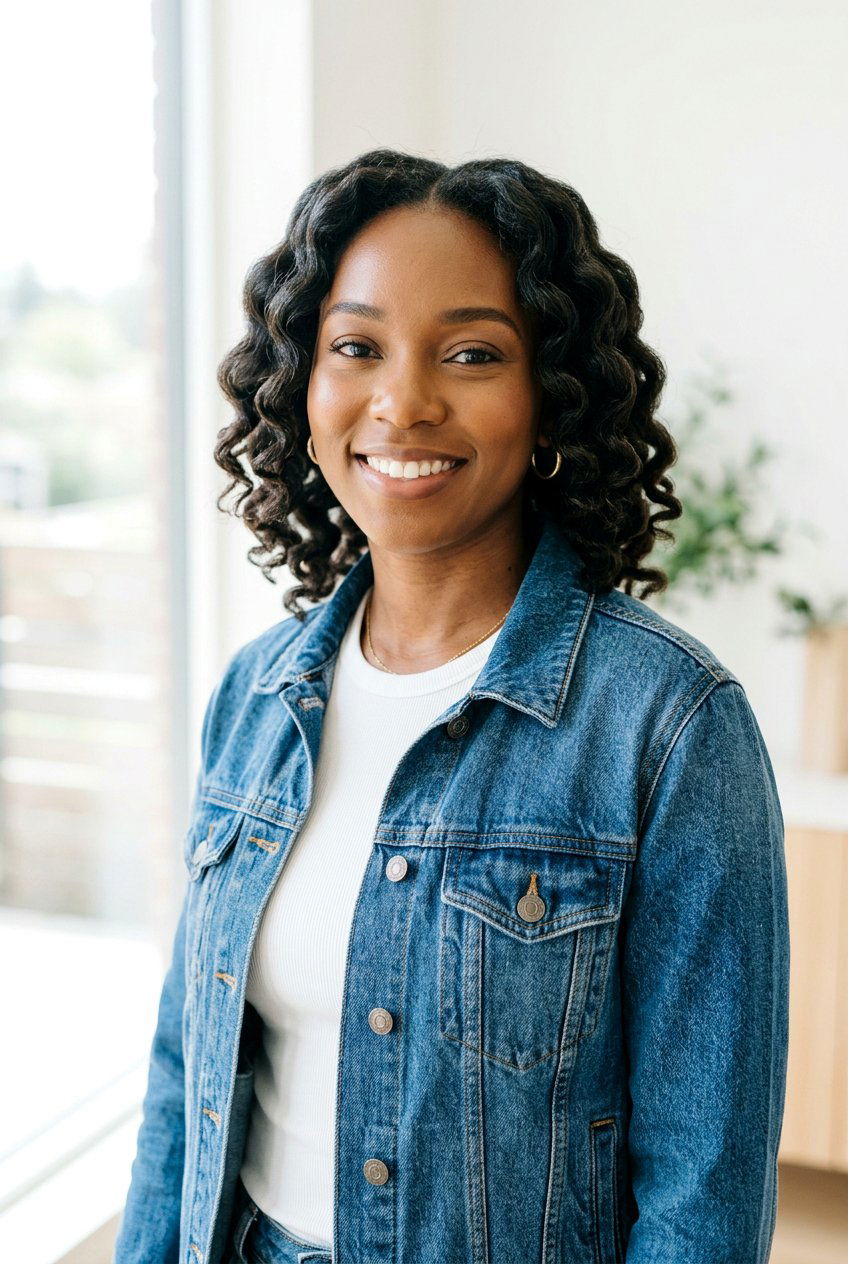
The traditional three strand braid out is the gold standard for achieving maximum definition and structural integrity on short natural hair. By dividing your hair into small, even sections and weaving three strands tightly together, you create a firm set that yields a crisp, crimped wave pattern once unraveled. This specific technique is highly favored for shorter lengths because the three-strand structure provides more tension than a two-strand twist, which helps to elongate the curls and prevent them from shrinking back toward the scalp. To ensure the best results, always apply a high-quality setting foam or a curl-defining cream to each section before braiding. This ensures that every individual wave is locked into place, giving you a sharp, professional finish.
2. Flat Braid Out On Scalp
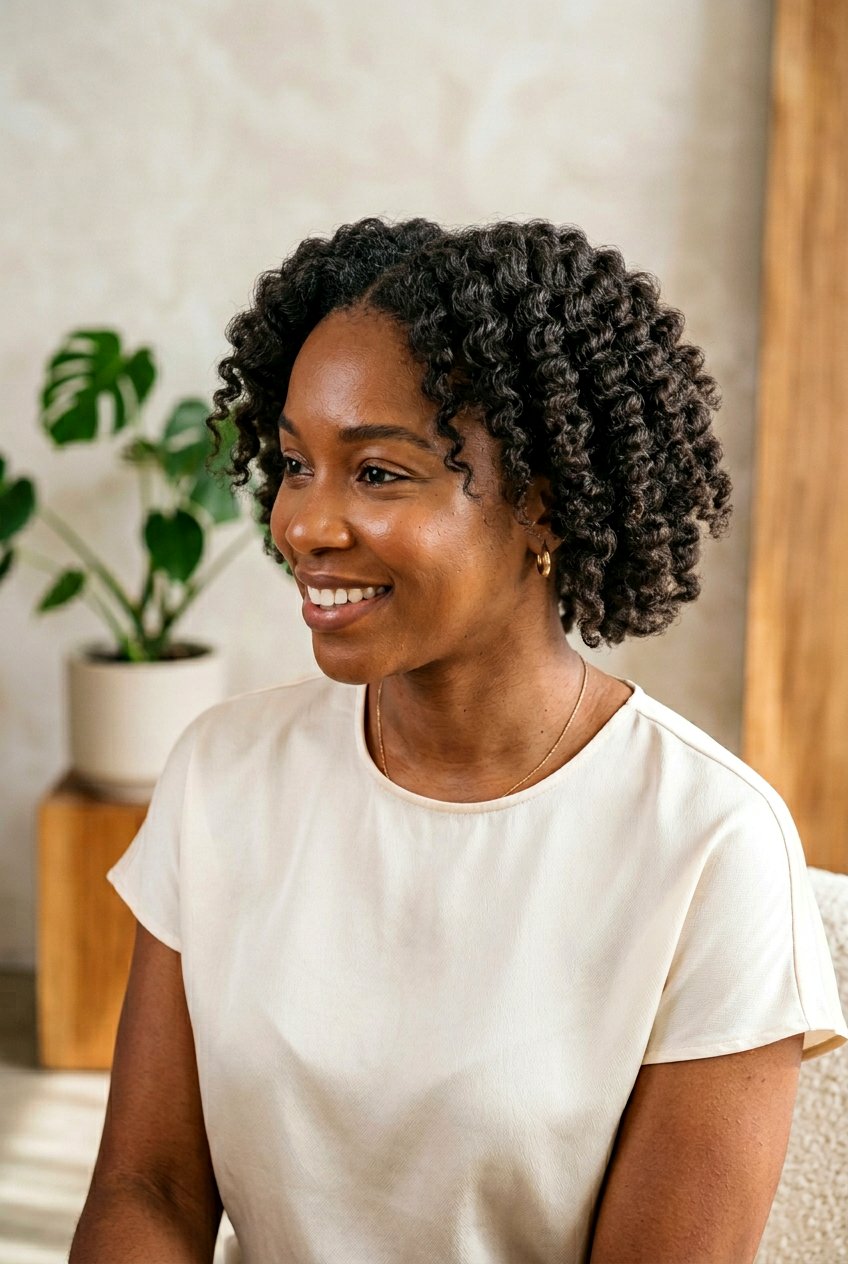
A flat braid out on scalp is an excellent variation for those who want a more controlled and uniform wave pattern starting directly from the roots. Instead of creating individual hanging braids, you cornrow the hair against the scalp in small or medium rows. This method is particularly effective for very short hair that might be difficult to grip into individual braids. Because the hair is secured close to the head, the tension is distributed evenly, resulting in a consistent “S” wave throughout the entire head. When you take the braids down, the hair follows the path of the cornrow, giving you a beautifully structured look that stays organized and manageable throughout the day without excessive frizz.
3. Blown Out Hair Braid Out
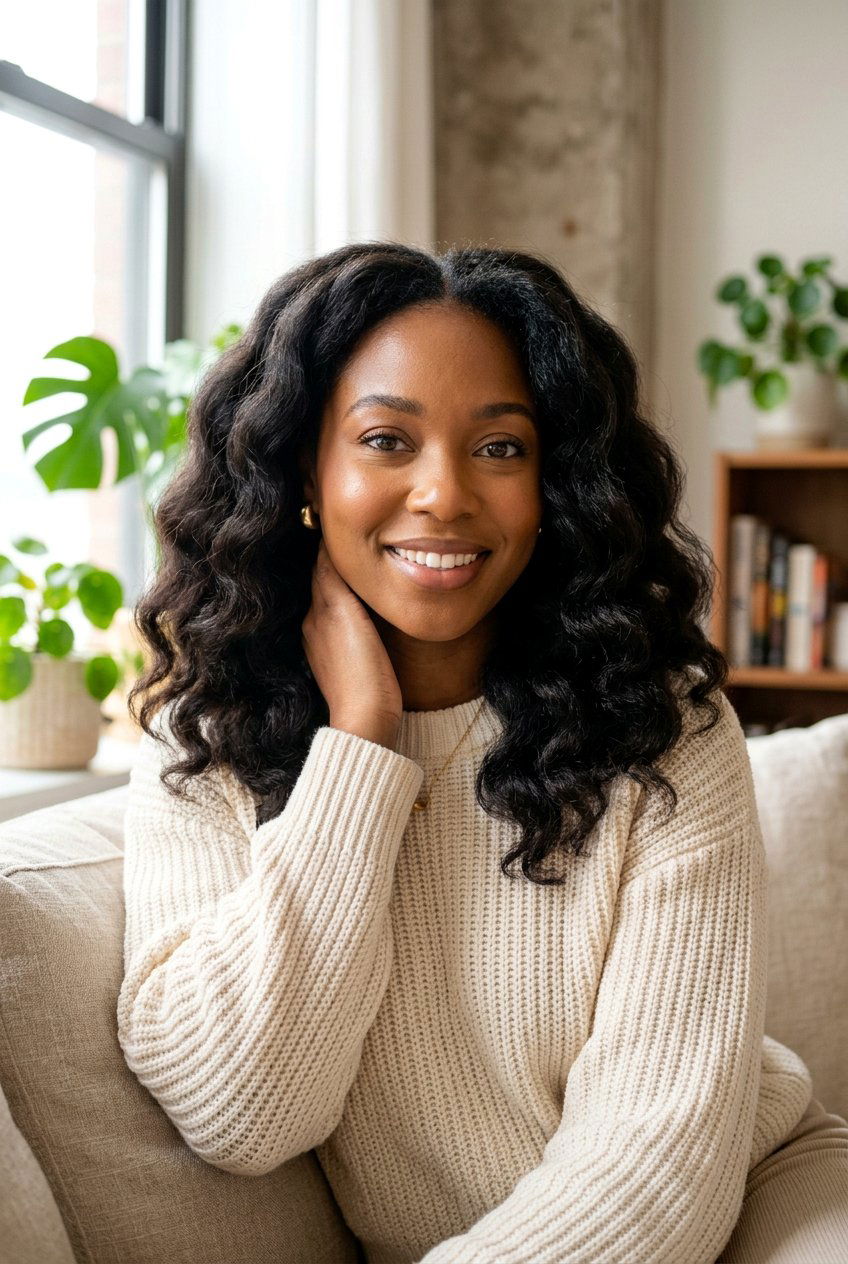
The blown out hair braid out is a favorite for naturalistas who want to achieve a fluffy, voluminous look with significant length. By starting with hair that has been gently stretched with a blow dryer and a comb attachment, you remove the initial shrinkage and create a smooth canvas. Once the hair is stretched, applying a light mousse and braiding it in larger sections results in a softer, more voluminous wave that looks incredibly full. This approach is ideal for shorter hair that usually feels “stuck” at a certain length, as the blow-drying process helps the braid out reach its maximum potential. It provides a romantic, airy texture that is perfect for both casual and formal events.
4. Braid Out With Perm Rods
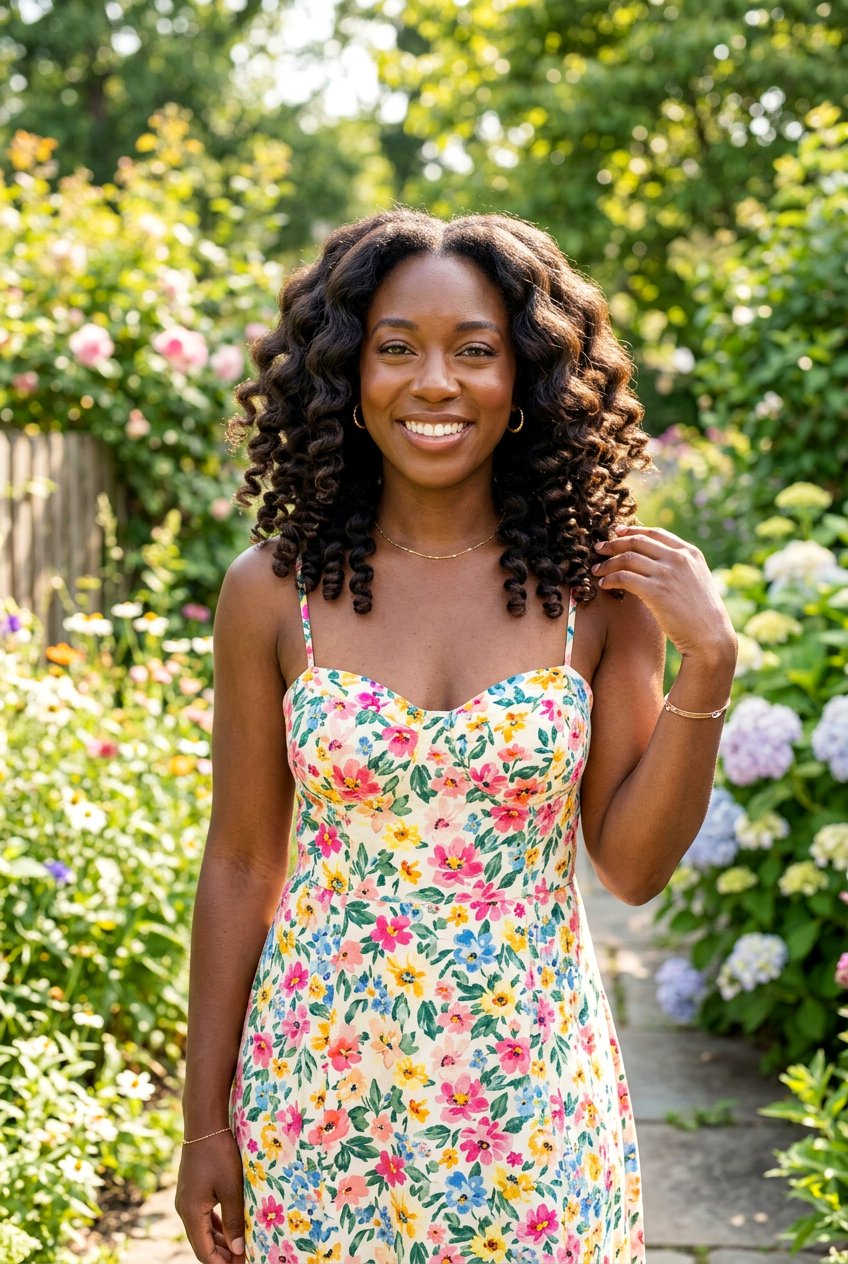
Creating a braid out with perm rods at the ends is the ultimate secret to achieving a polished, salon-quality look on short natural hair. Often, the ends of natural hair can be more porous or damaged, leading to a lack of definition compared to the mid-lengths. By wrapping the very tip of each braid around a small perm rod or flexi-rod, you ensure that the style ends in a perfect, bouncy curl rather than a frayed or straight point. This hybrid method combines the crimped texture of the braid with the spiraled finish of a rod set. The result is a sophisticated hairstyle with a professional edge, making your short natural hair look intentionally styled and meticulously maintained from root to tip.
5. Side Part Braid Out
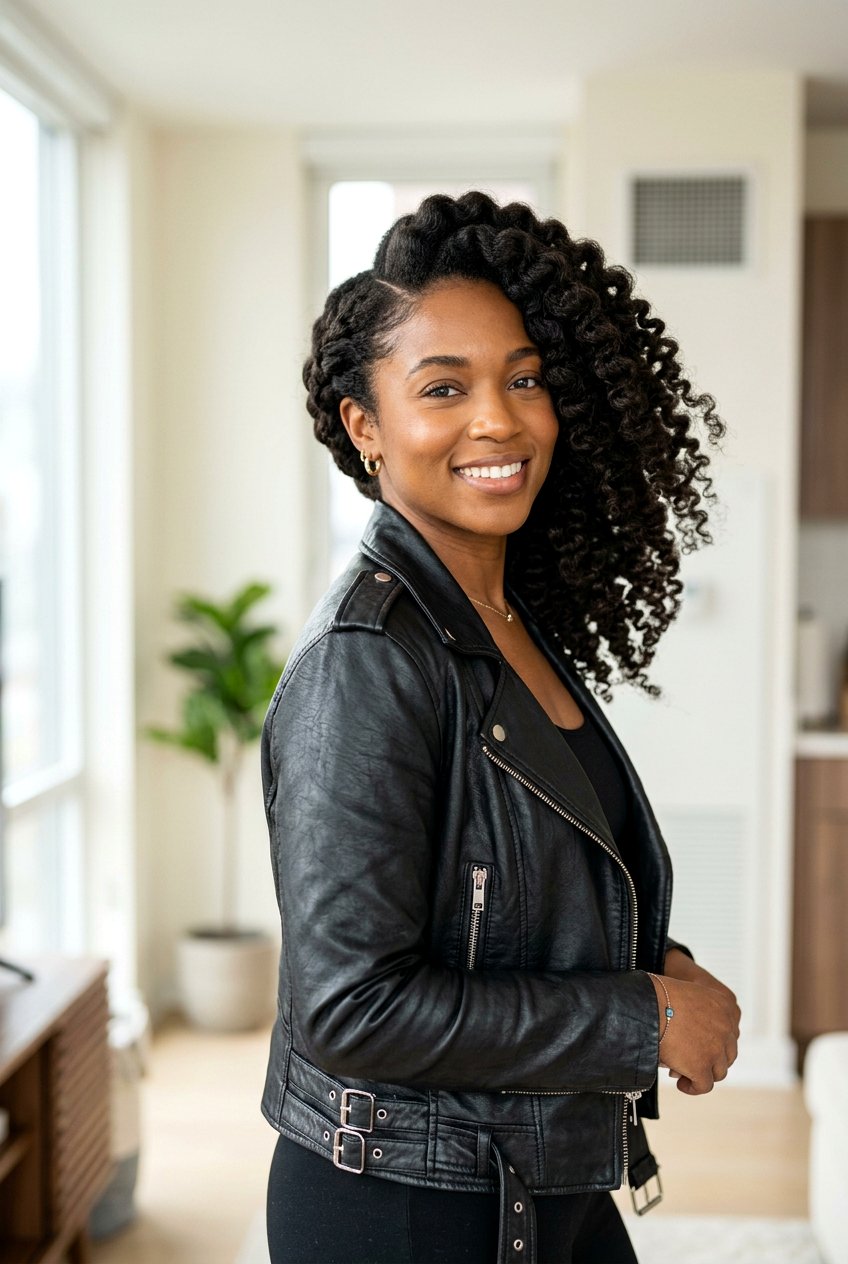
A side part braid out is a simple yet effective way to add a touch of glamour and asymmetry to your short natural hair. By intentionality parting the hair on the left or right side before you begin the braiding process, you dictate how the hair will fall once it is unraveled and fluffed. This structural choice helps to frame the face beautifully and can add height to the crown, which is often a challenge for those with shorter textures. A deep side part creates a modern, edgy silhouette that works well for heart-shaped or round face shapes. It transforms a standard afro-textured look into a chic, directional style that feels fresh and updated for any season or setting.
6. Middle Part Braid Out
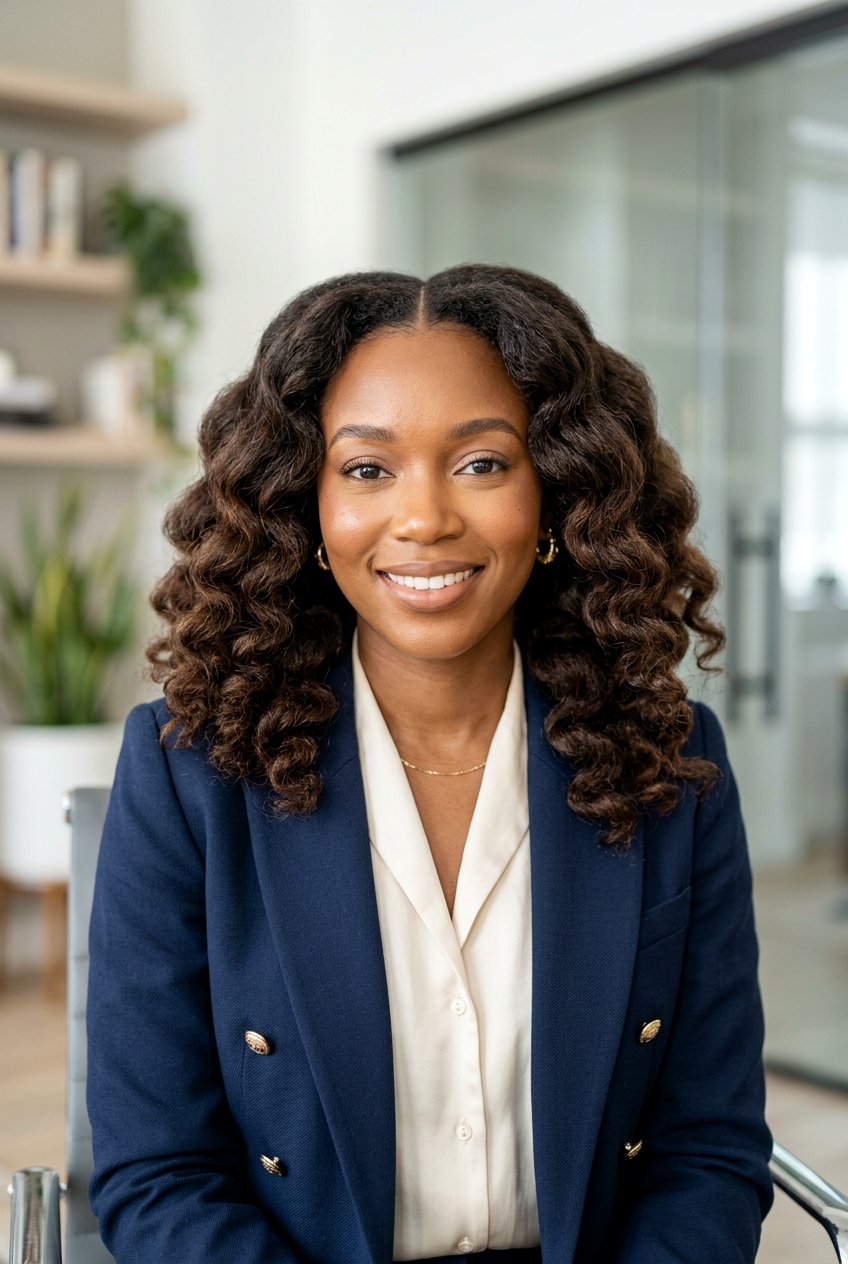
The middle part braid out offers a classic, symmetrical look that perfectly balances the features of the face while showcasing the uniform texture of your braids. When you section the hair down the center, it allows the defined waves to cascade evenly on both sides, creating a curtain-like effect that is both timeless and trendy. This style is particularly flattering for those who want to highlight their cheekbones and jawline. To keep the part looking sharp and clean, use a rat-tail comb to define the line before applying your styling products. The symmetry of a middle part combined with the rich texture of a braid out provides a clean, organized aesthetic that works beautifully for professional environments.
7. Tapered Cut Braid Out
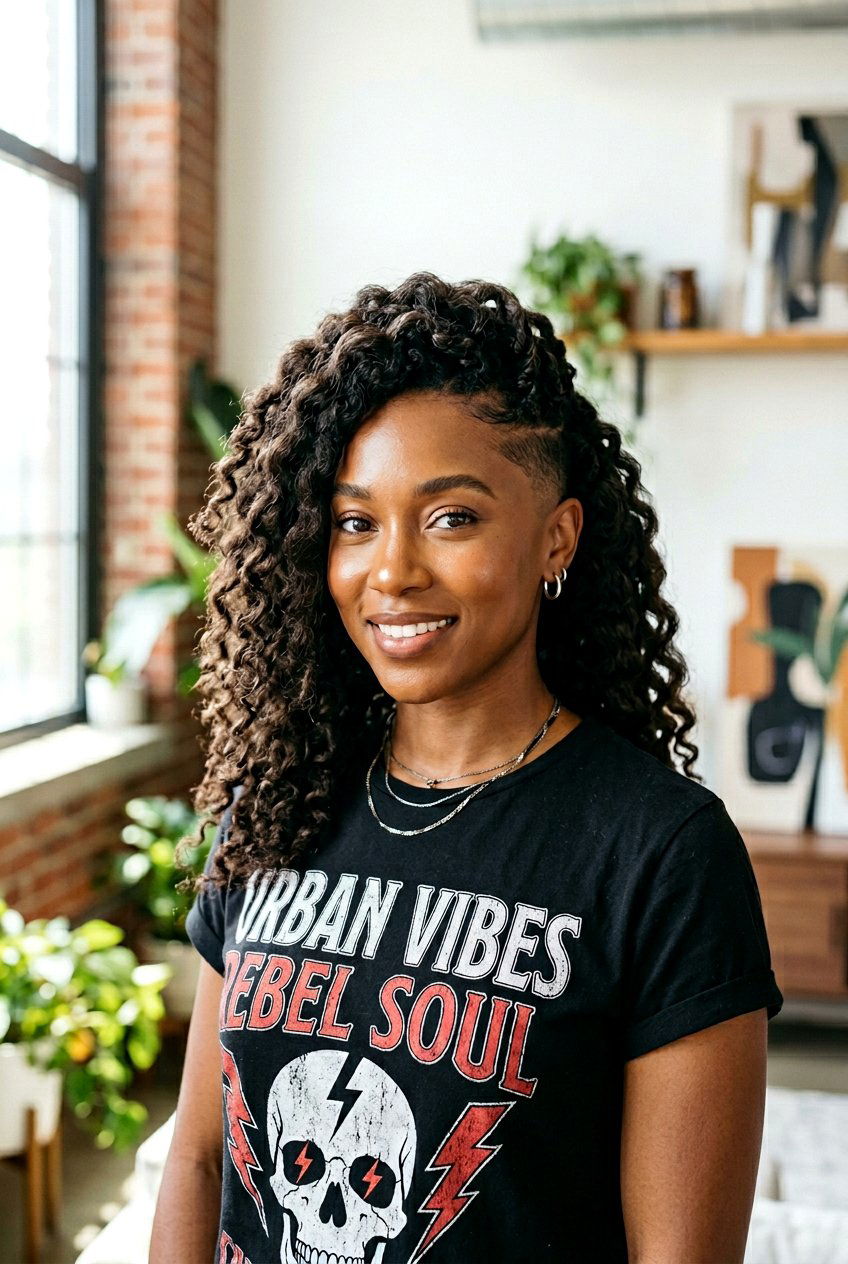
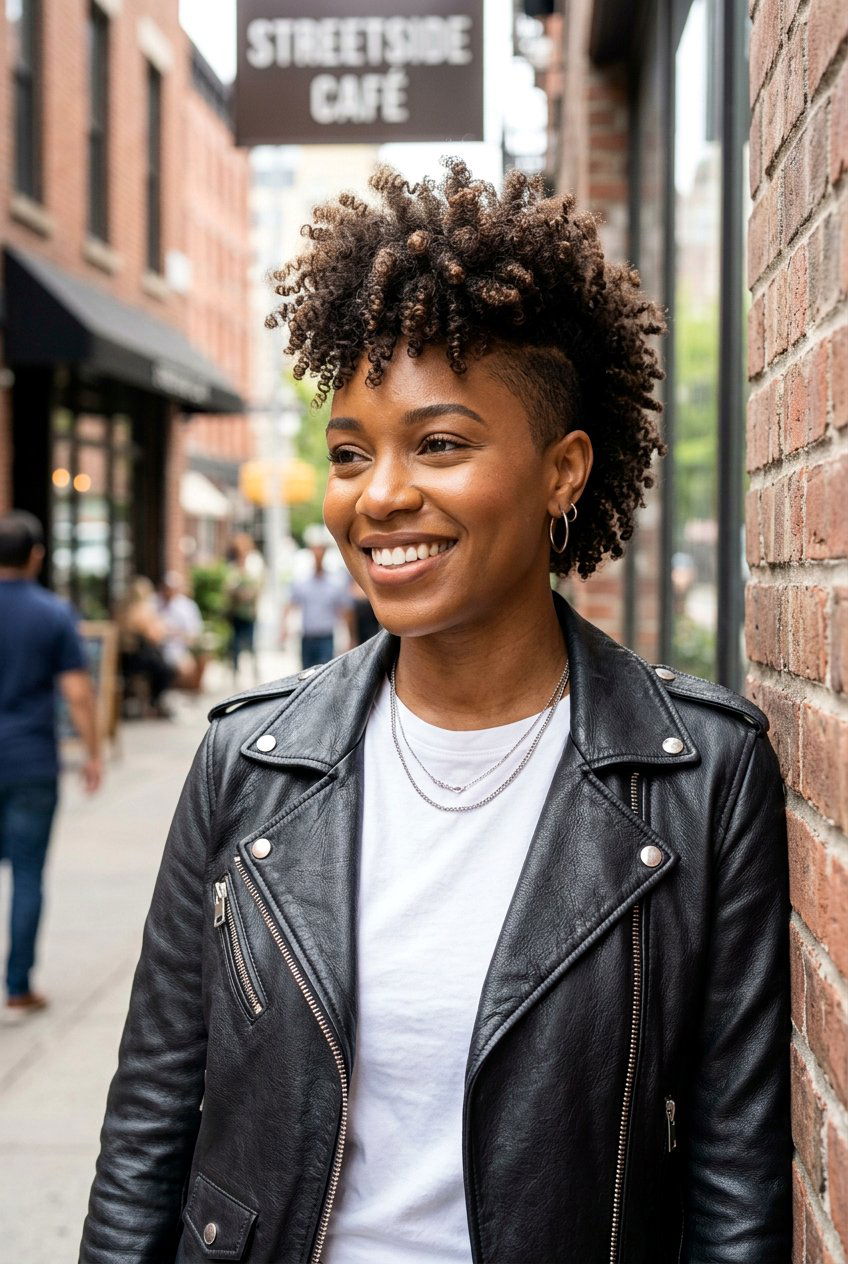
A tapered cut braid out is specifically designed for those who have shorter hair on the sides and back with more length concentrated at the crown. This hairstyle highlights the contrast between the closely cropped perimeter and the voluminous, textured top. When performing a braid out on a tapered cut, you focus your braiding efforts on the longer top section, while the shorter sides can be smoothed down with edge control or a light gel. This creates a high-fashion, Mohawk-inspired silhouette that is incredibly bold and stylish. The defined waves on top provide a soft contrast to the sharp lines of the taper, making it a versatile look that transitions easily from the office to a night out.
8. High Volume Fluffy Braid Out
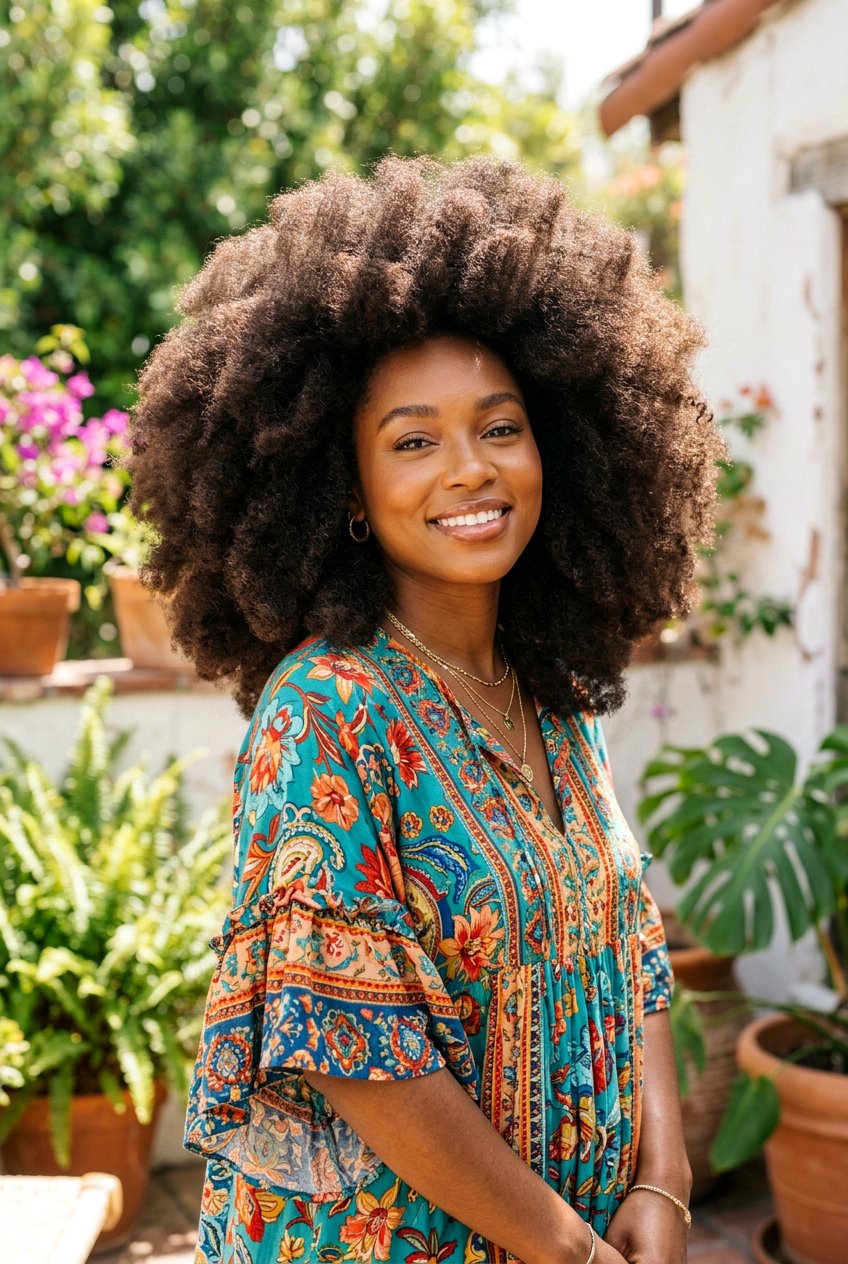
The high volume fluffy braid out is perfect for the individual who prefers “big hair” over perfect curl definition. To achieve this look, you typically braid the hair in larger sections and use a more moisturizing cream rather than a high-hold gel. Once the braids are dry and unraveled, you use a hair pick at the roots to gently lift and separate the waves. This technique intentionally creates a bit of frizz at the base to build volume, while the mid-lengths and ends retain their braided pattern. The result is a soft, cloud-like texture that feels touchable and natural. It is an excellent choice for those with fine hair who want to create the appearance of thicker, denser strands.
9. Small Section Braid Out
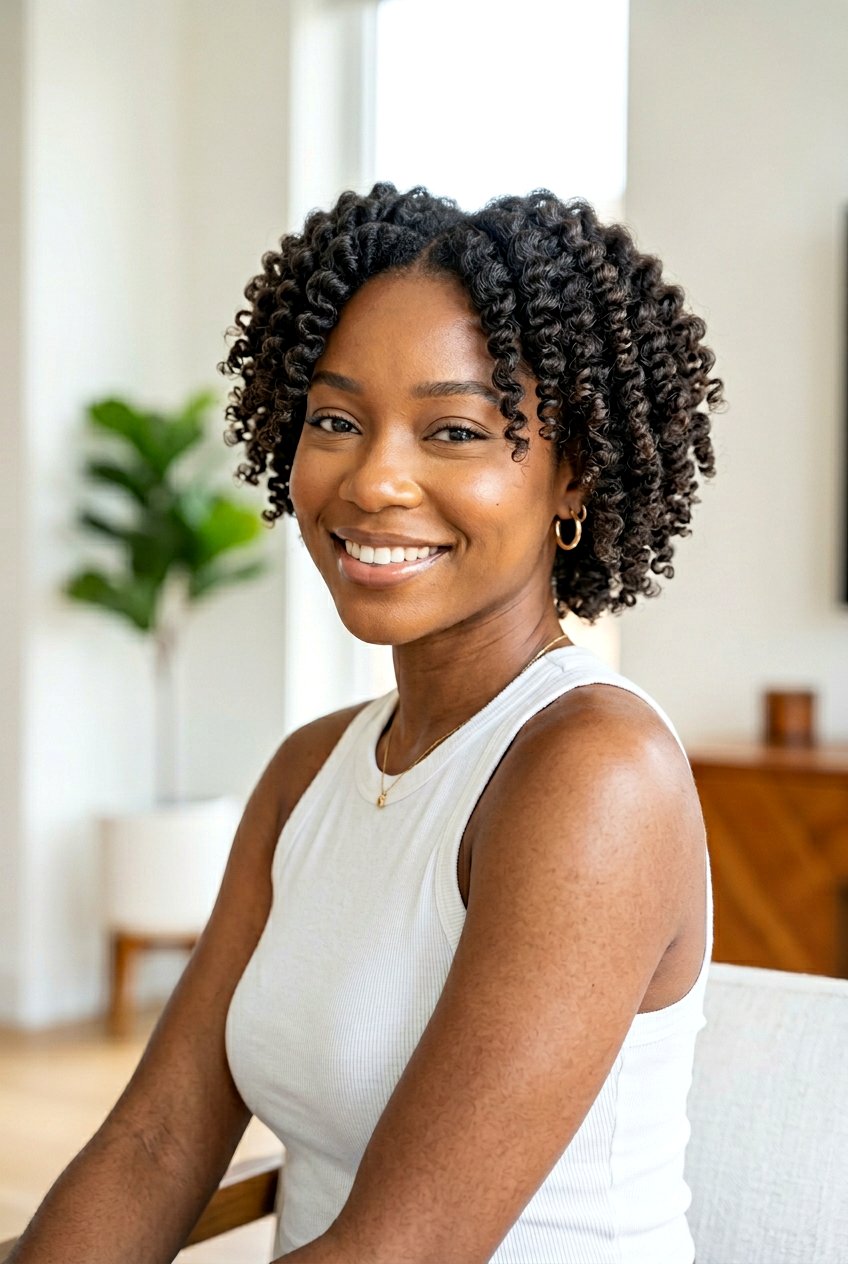
A small section braid out is the go-to method for anyone seeking maximum longevity and the tightest possible wave definition. By taking very small, half-inch sections of hair, you increase the surface area of the hair being set, which leads to a more intricate and detailed pattern. While this method takes longer to install and unravel, the results can often last for an entire week with minimal maintenance. The smaller braids also dry faster and more thoroughly, which is crucial for preventing frizz upon takedown. This style is particularly effective for 4C hair types, as the smaller sections provide the necessary tension to stretch the tight coils into a beautiful, lasting wave that resists humidity.
10. Chunky Braid Out
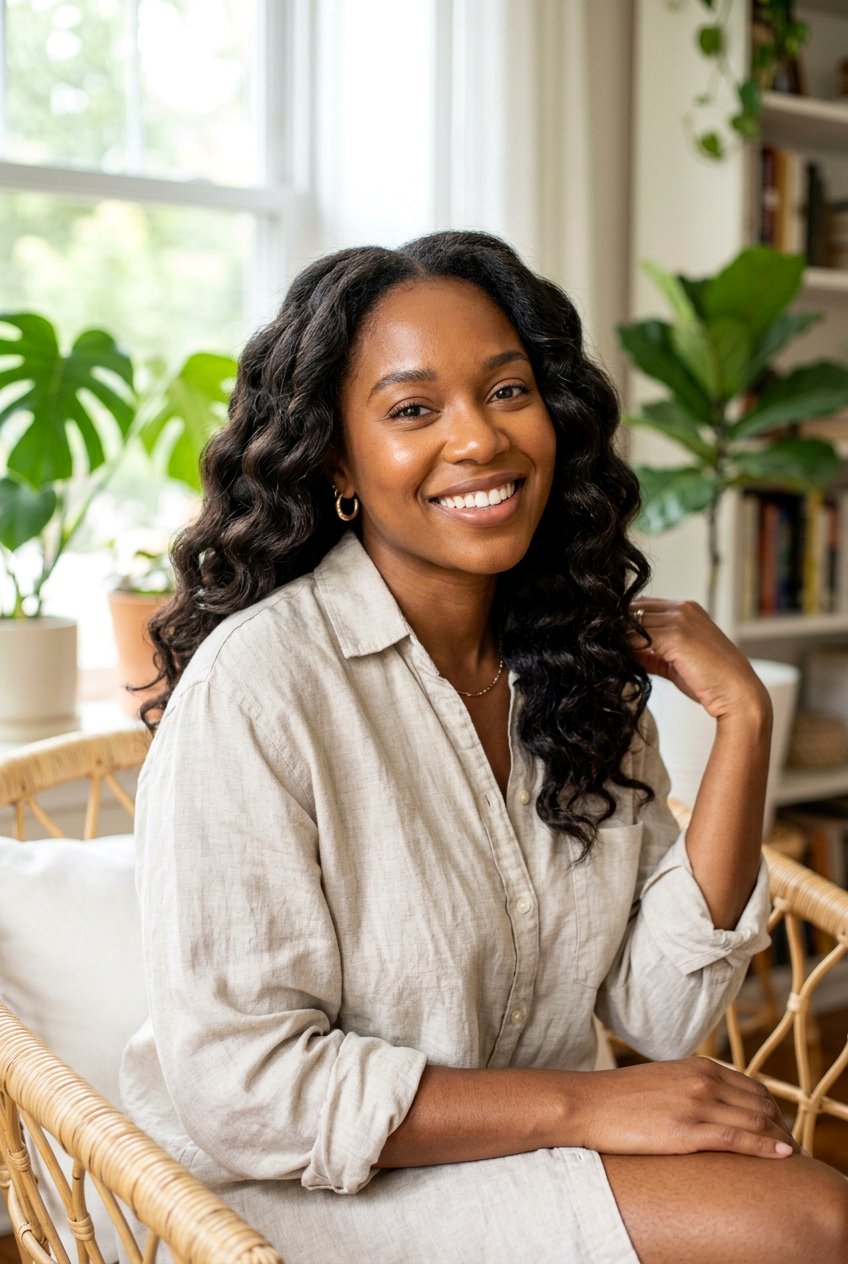
The chunky braid out is the ideal solution for those who want a quick styling process with a more relaxed, wavy result. By dividing the hair into large, thick sections, you create wide waves that mimic a loose “S” pattern rather than a tight crimp. This style is great for a casual, effortless vibe and is often much faster to take down than smaller braids. Because the sections are larger, the hair tends to retain more moisture, making it a healthy choice for dry or brittle strands. Although it may not last as long as a small-section set, the chunky braid out provides a beautiful, soft bounce that looks great on chin-length or neck-length natural hair.
11. Braid Out Faux Hawk
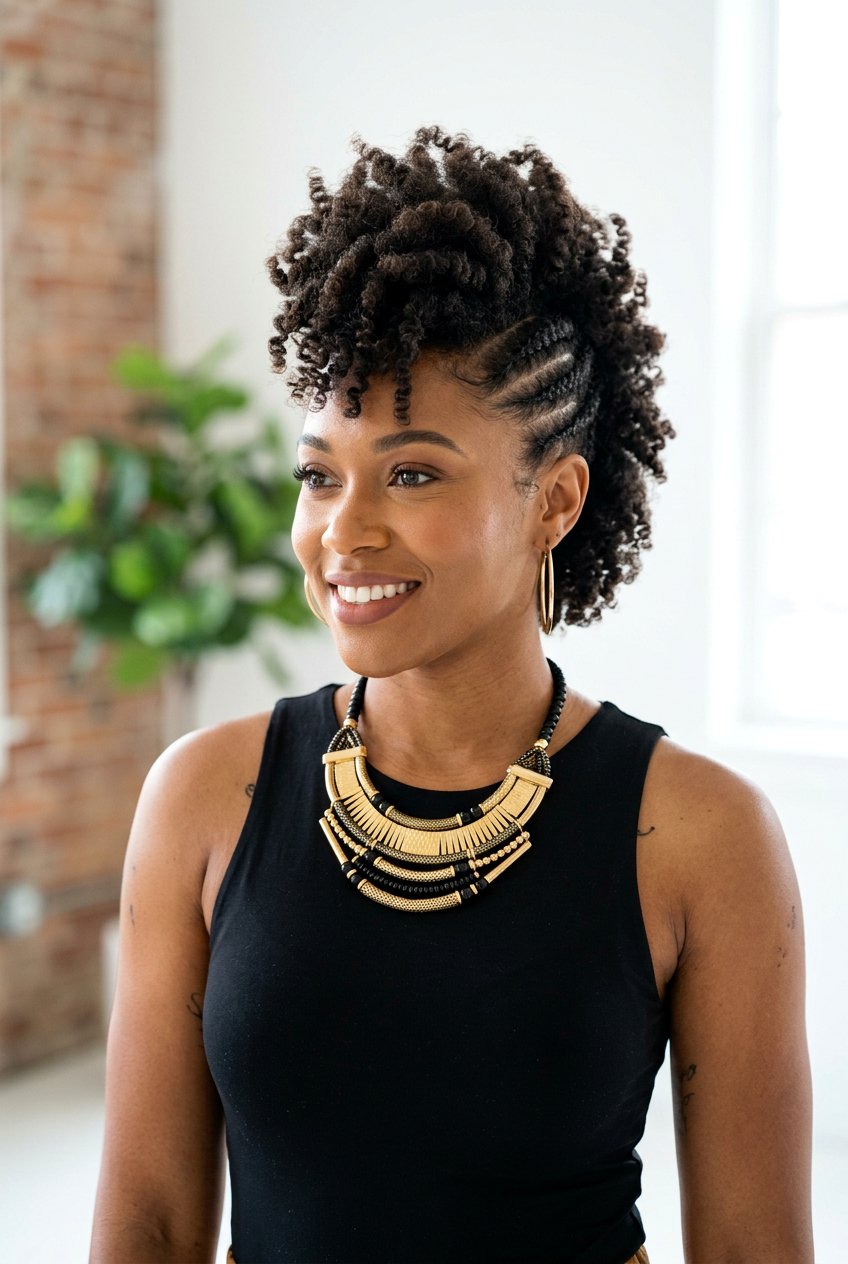
A braid out faux hawk is a creative way to style your short natural hair into a bold, vertical shape without the commitment of a haircut. After unraveling your braid out, you use bobby pins to pull the sides of the hair upward toward the center of the head. This leaves the textured, braided waves to spill over the top and down the back, creating the illusion of a mohawk. This style is excellent for showing off the definition of your braid out while keeping the hair off your neck and face. It is a powerful, expressive look that works exceptionally well for special occasions or when you simply want to change up your daily routine with something more adventurous.
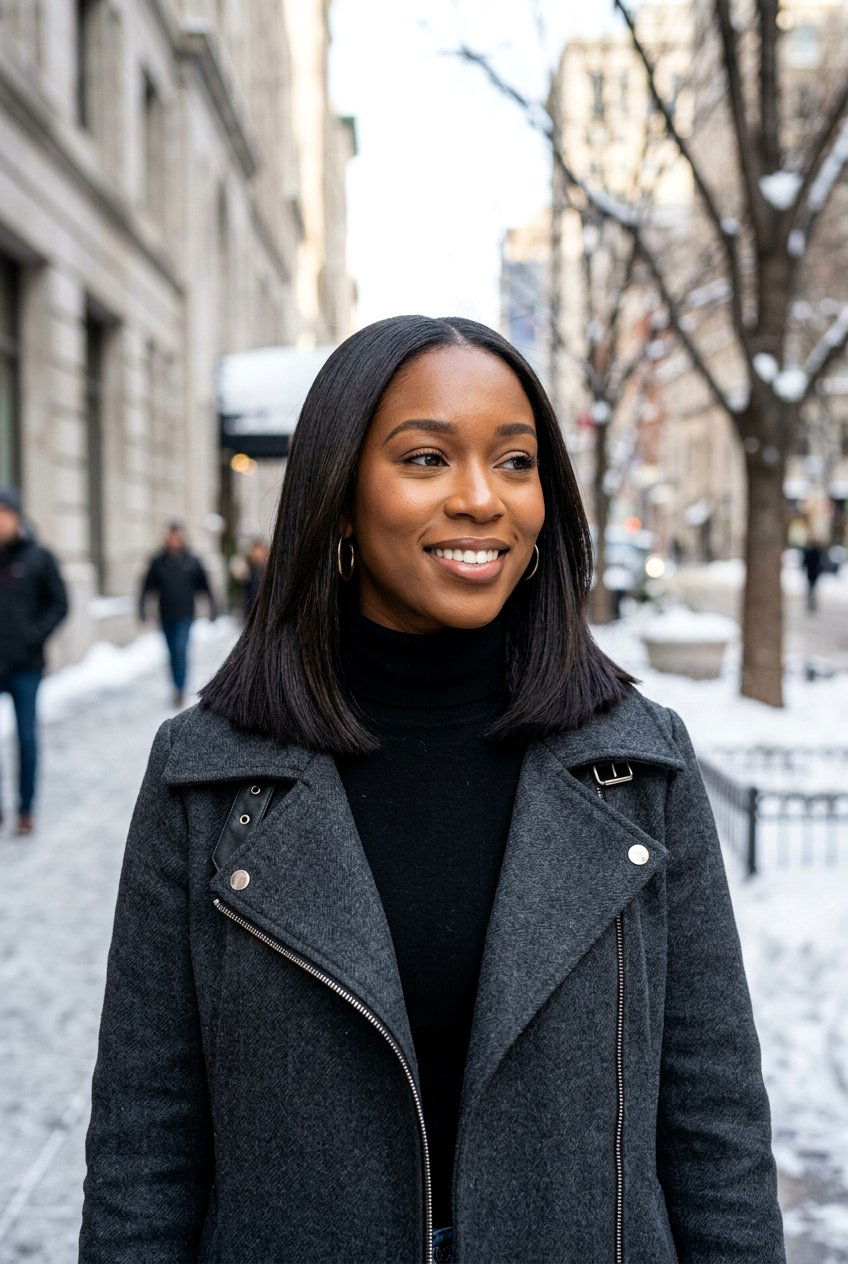


12. Wet Set Braid Out
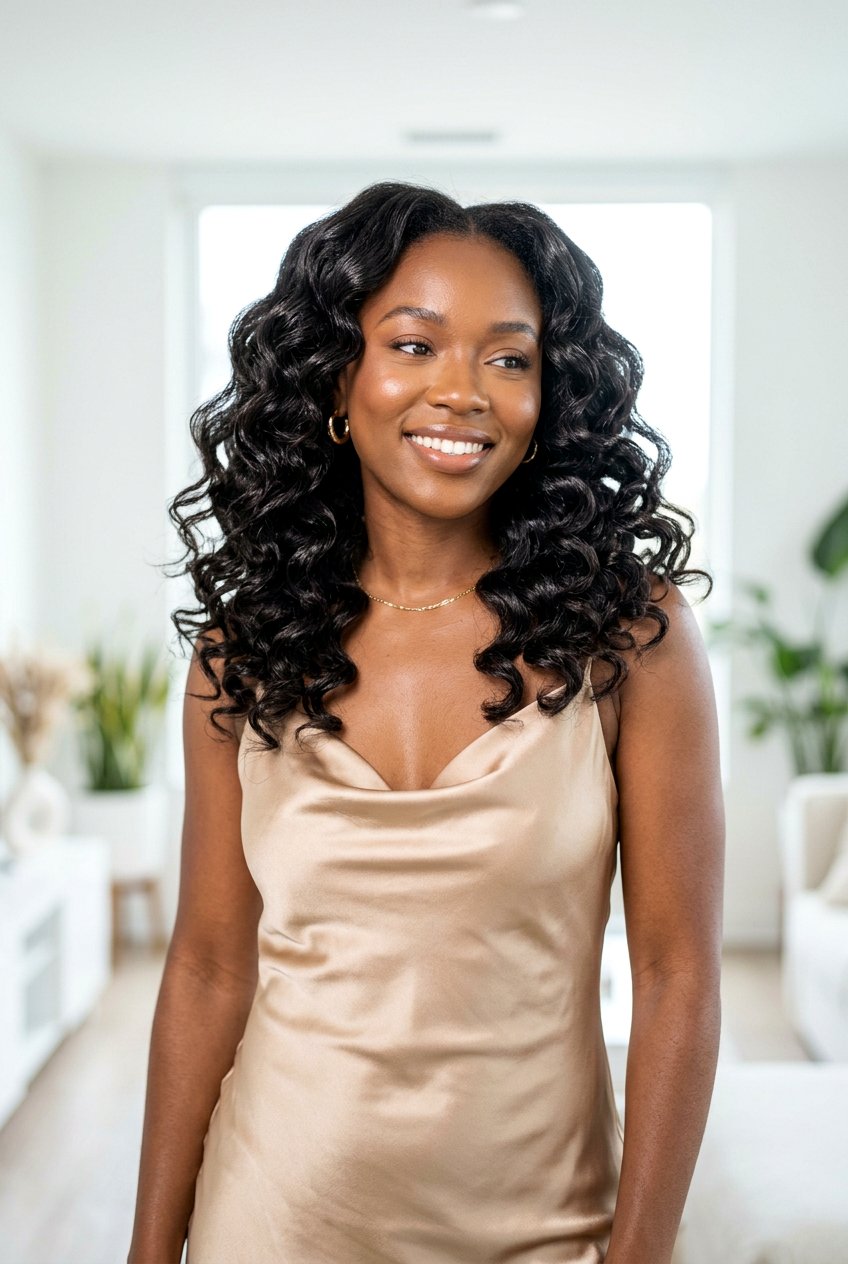
The wet set braid out is performed on hair that is freshly washed and soaking wet, which often results in the most durable and shiny finish. By applying your leave-in conditioner and styling gel to wet hair, you lock in the moisture and ensure a smooth, frizz-free takedown. The hair takes longer to dry in this state—often requiring a full 24 hours or time under a hooded dryer—but the payoff is a high-definition wave with an incredible sheen. This method is perfect for those who struggle with dullness or frizz, as the water helps the product penetrate the hair shaft more effectively. The result is a crisp, vibrant look that feels incredibly healthy and well-defined.
13. Dry Braid Out
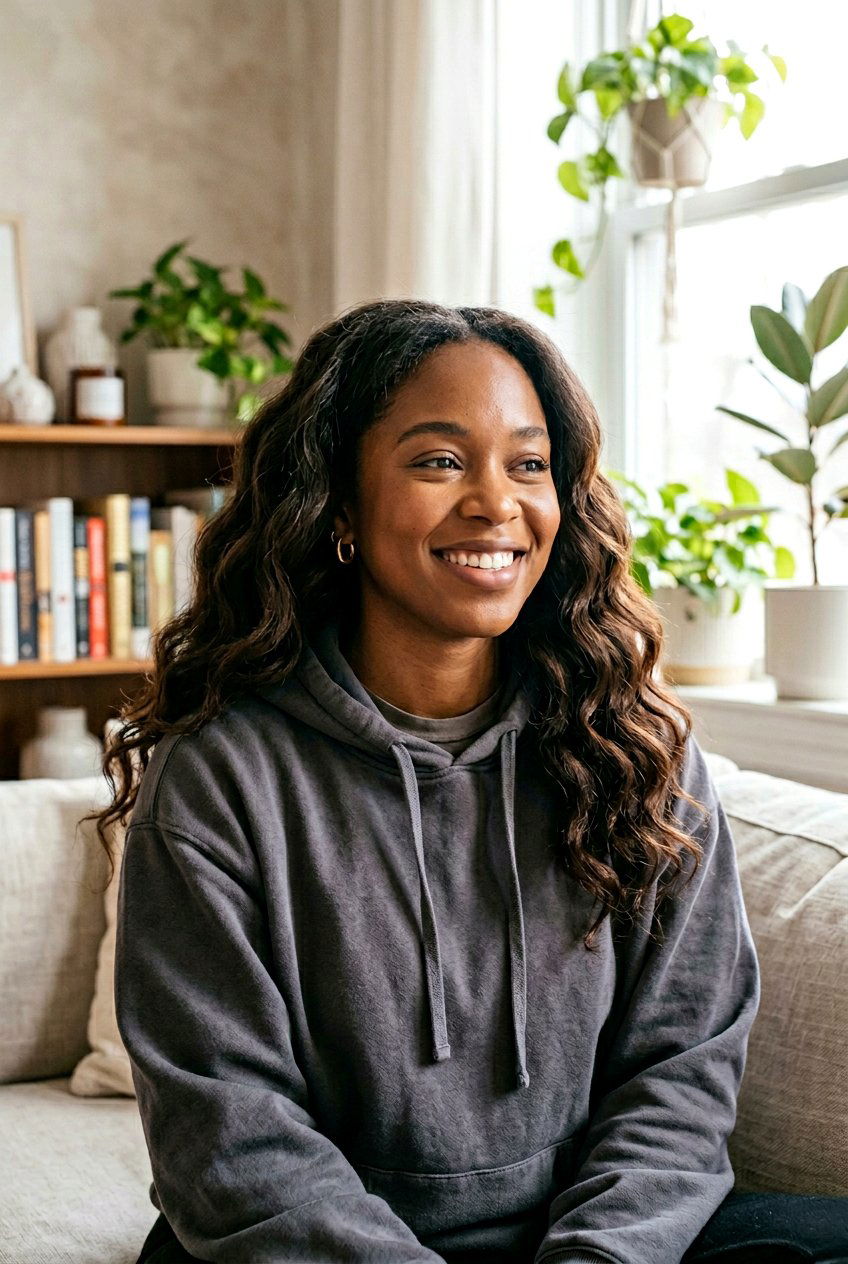
A dry braid out is a fantastic technique for stretching previously styled hair or for those who want to avoid the long drying times of a wet set. By braiding hair that is already dry or slightly damp with a light oil or butter, you achieve a much softer and more elongated wave. This method does not provide as much definition as a wet set, but it offers a beautiful, lived-in texture that is very easy to maintain. It is a great “day three” or “day four” hairstyle when your initial wash-and-go or twist-out has started to lose its shape. The dry braid out breathes new life into your hair, giving it a fresh, organized pattern without the need for a full wash day.
14. Braid Out With Bangs
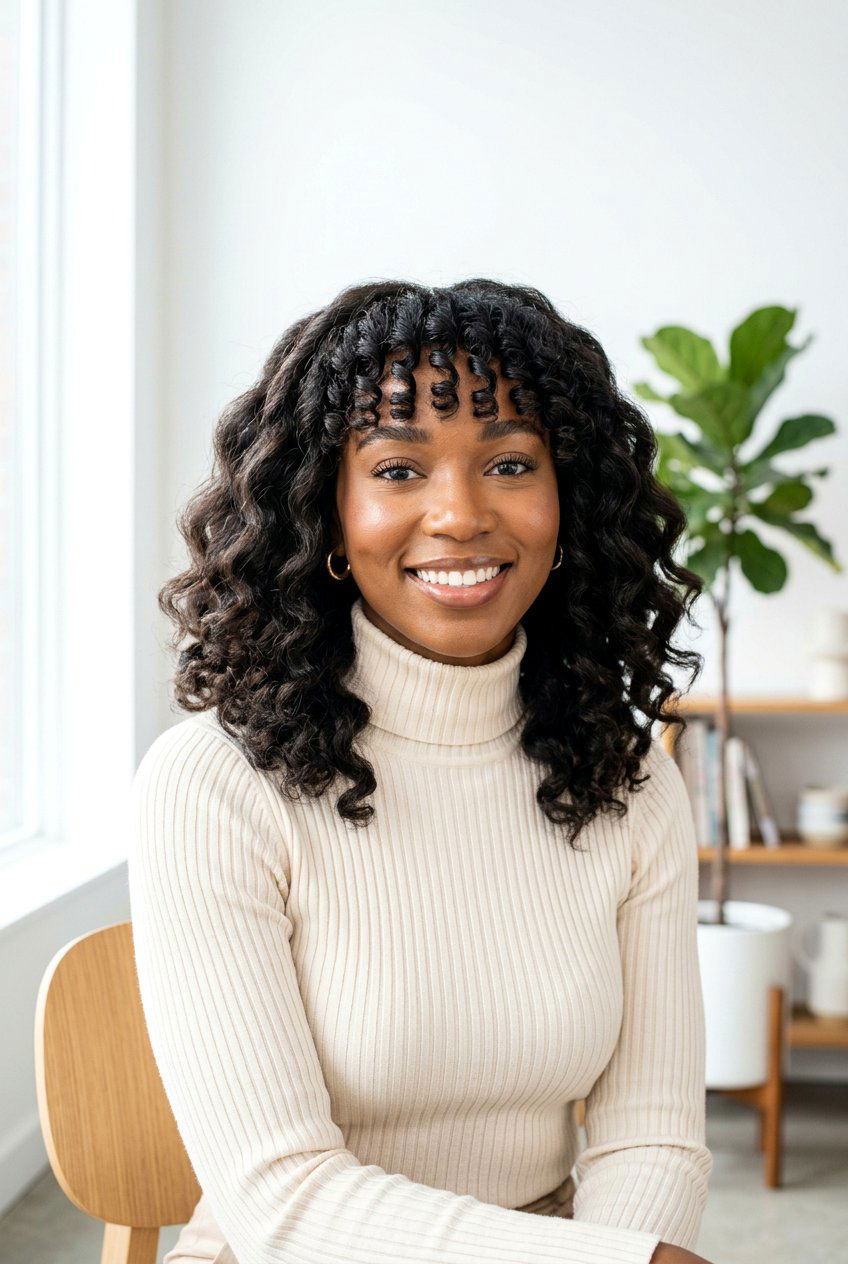
Adding bangs to your braid out is a stylish way to modernize your short natural hair and add a youthful element to your look. You can achieve this by braiding a few sections of hair forward toward your forehead during the setting process. Once unraveled, these front sections create a textured fringe that frames the eyes and adds dimension to the style. Braid out bangs are especially helpful for concealing a high forehead or adding volume to the front of a tapered cut. This look is playful and chic, proving that short natural hair can be incredibly versatile and fashion-forward when you play with different lengths and directional styling.
15. Zig Zag Part Braid Out
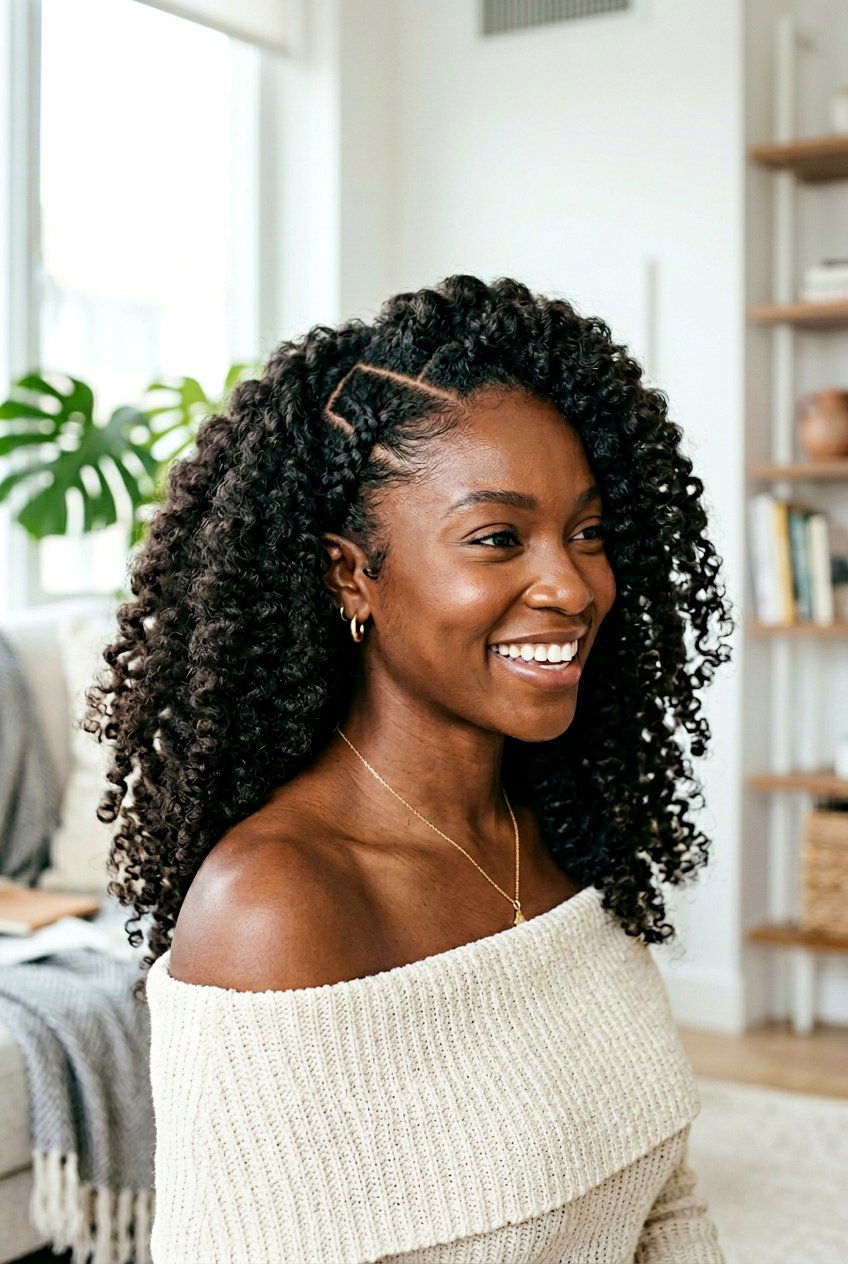
A zig zag part braid out is a clever styling trick used to disguise visible scalp lines and create a more seamless, voluminous finish. Instead of making straight, clinical parts, you move your comb in a jagged motion to create “Z” shaped sections. When the braids are unraveled, the hair falls in a way that hides the gaps between the sections, making the hair appear much thicker and more continuous. This is a favorite technique for those with lower hair density or fine strands who want to avoid the “scalpy” look that sometimes occurs with fresh braid outs. It results in a more natural, full-bodied appearance that looks great from every angle.
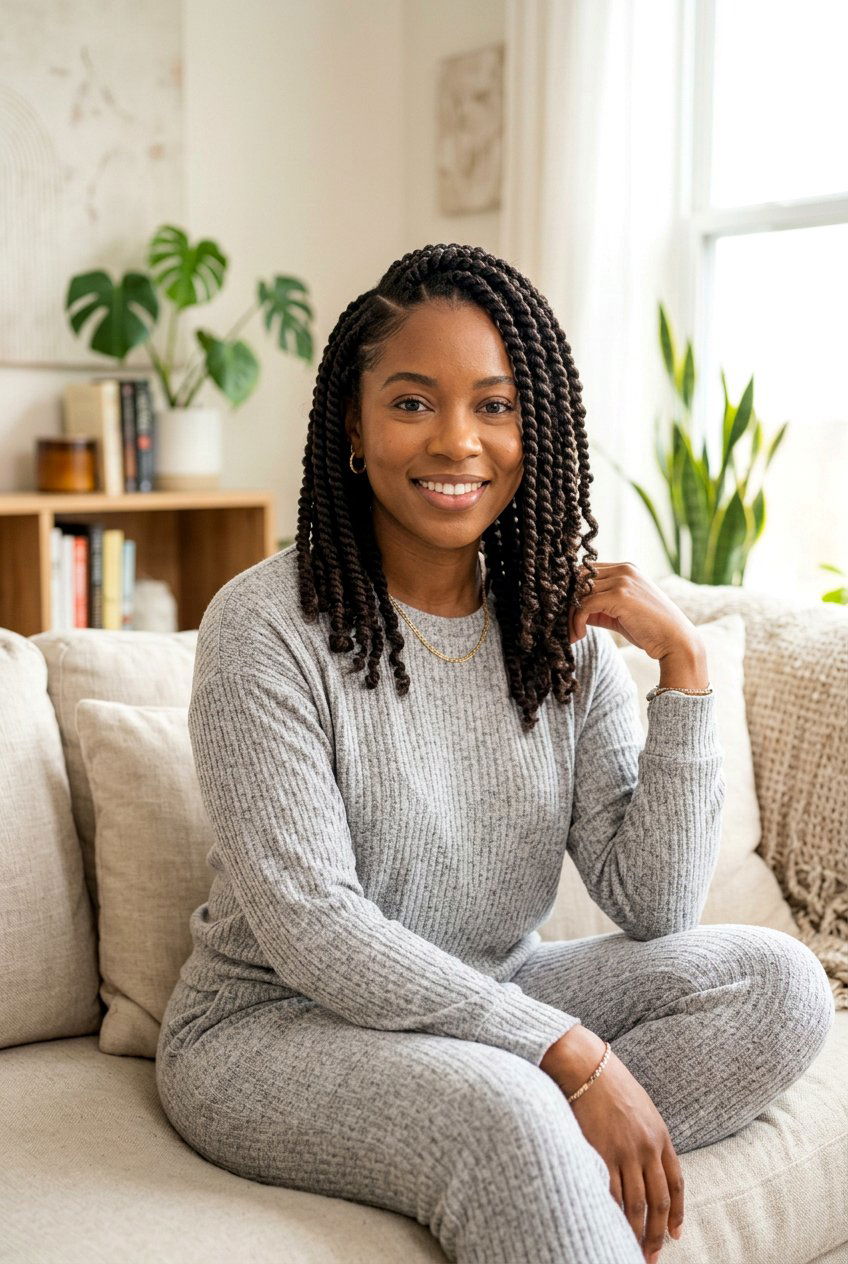
16. Braid Out With Headband
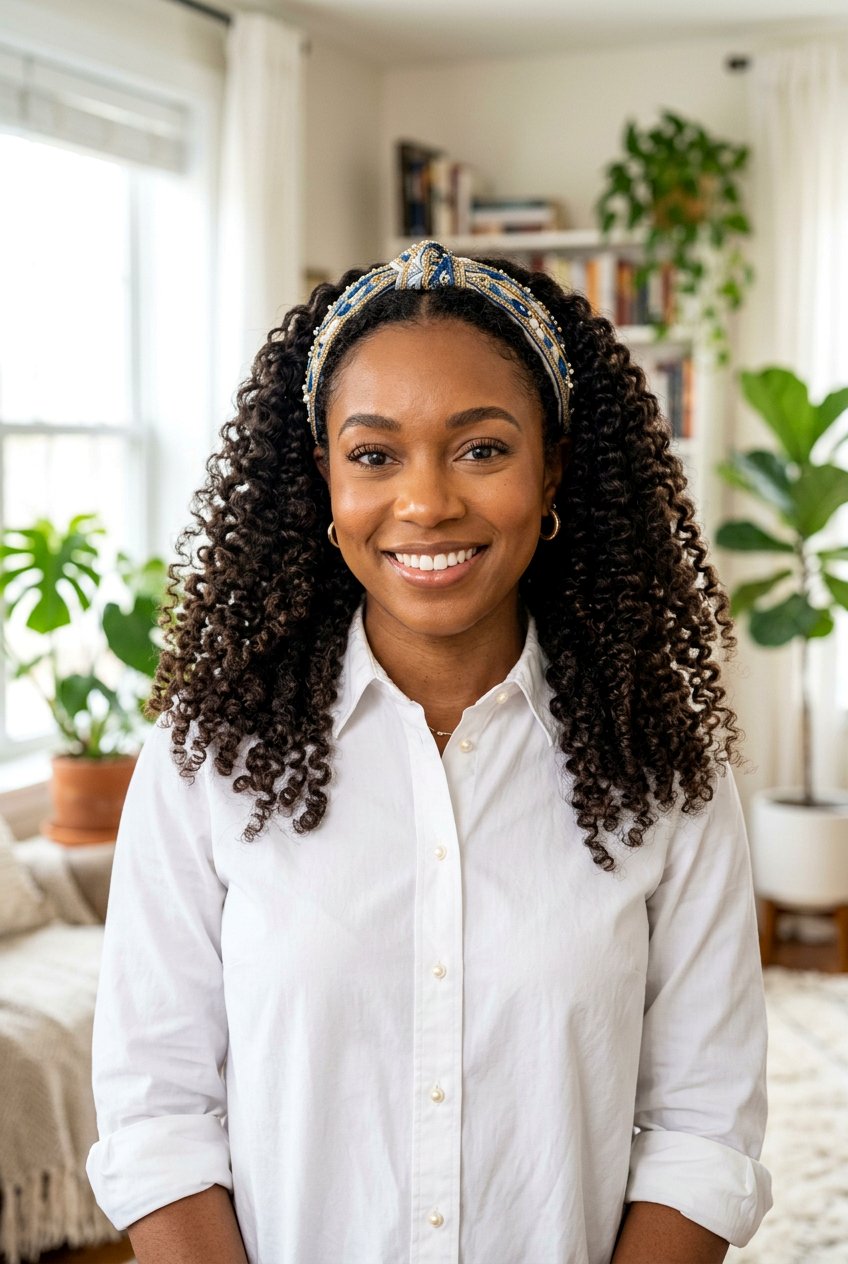
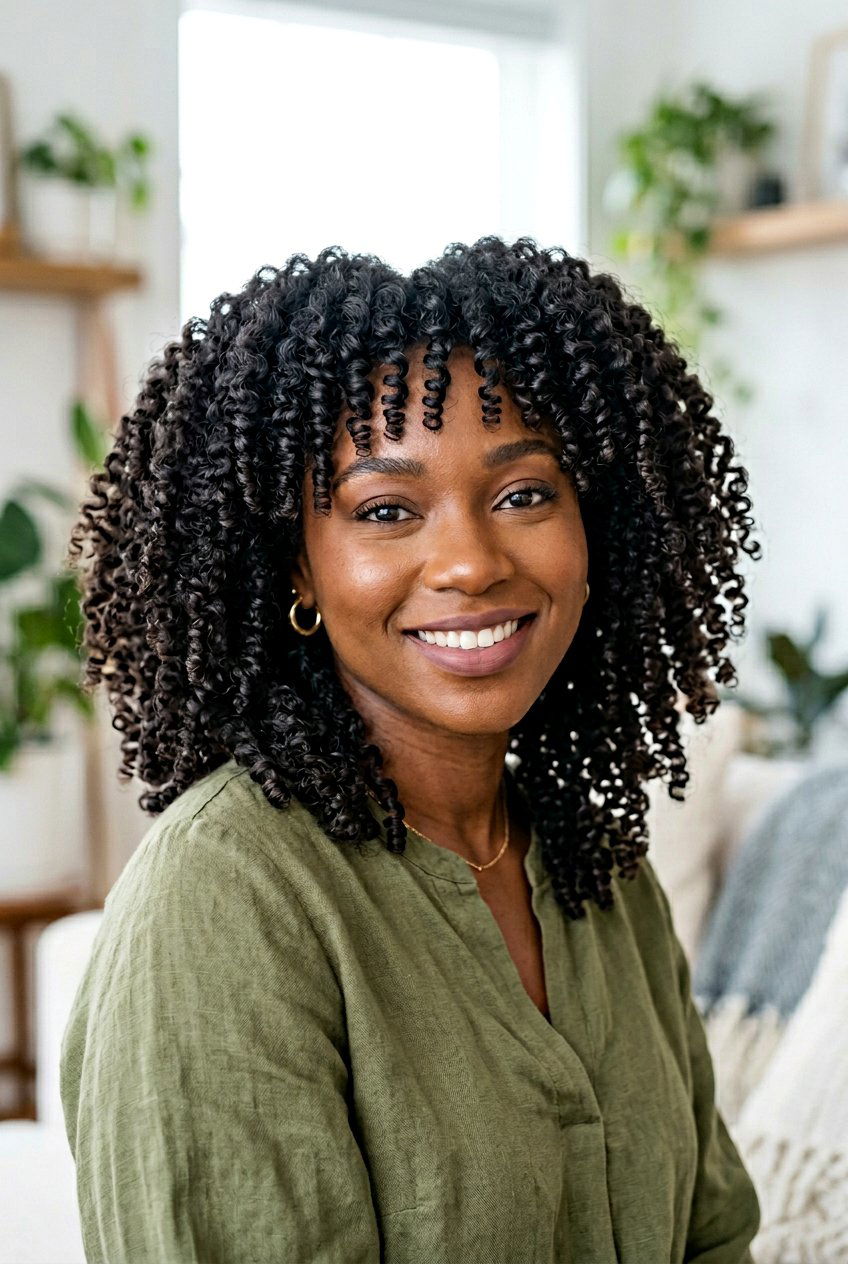
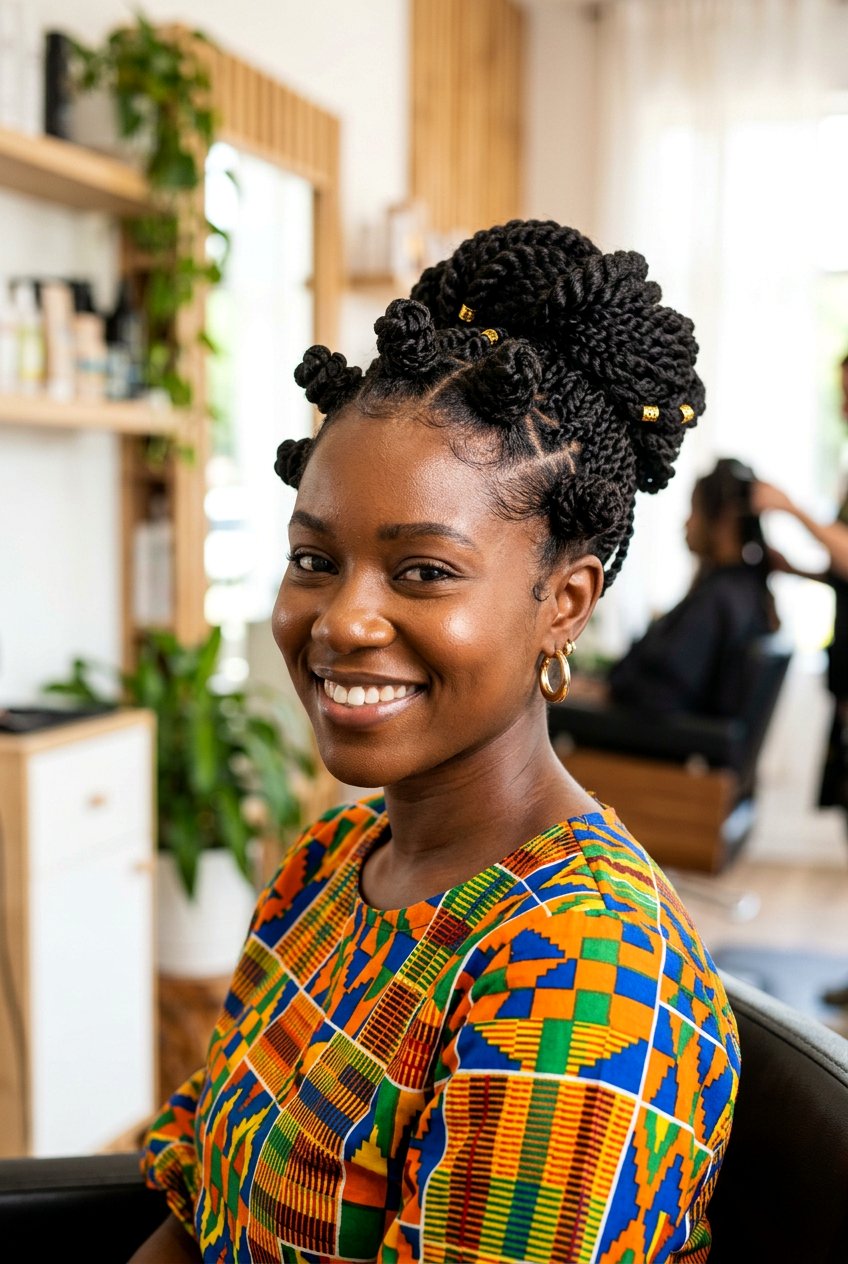
Incorporating a headband into your braid out is a functional and fashionable way to keep your hair in place while adding a pop of color or texture to your outfit. After you have unraveled your braids and achieved your desired volume, a simple fabric or jeweled headband can be used to push the hair back from the face. This highlights your facial features and keeps the defined waves concentrated at the crown and back of the head. It is a perfect solution for “transitioning” hair days when the front might be a bit frizzy, but the rest of the style still looks great. The headband adds a polished, feminine touch to the rugged texture of the braids.
17. Multi Textured Braid Out
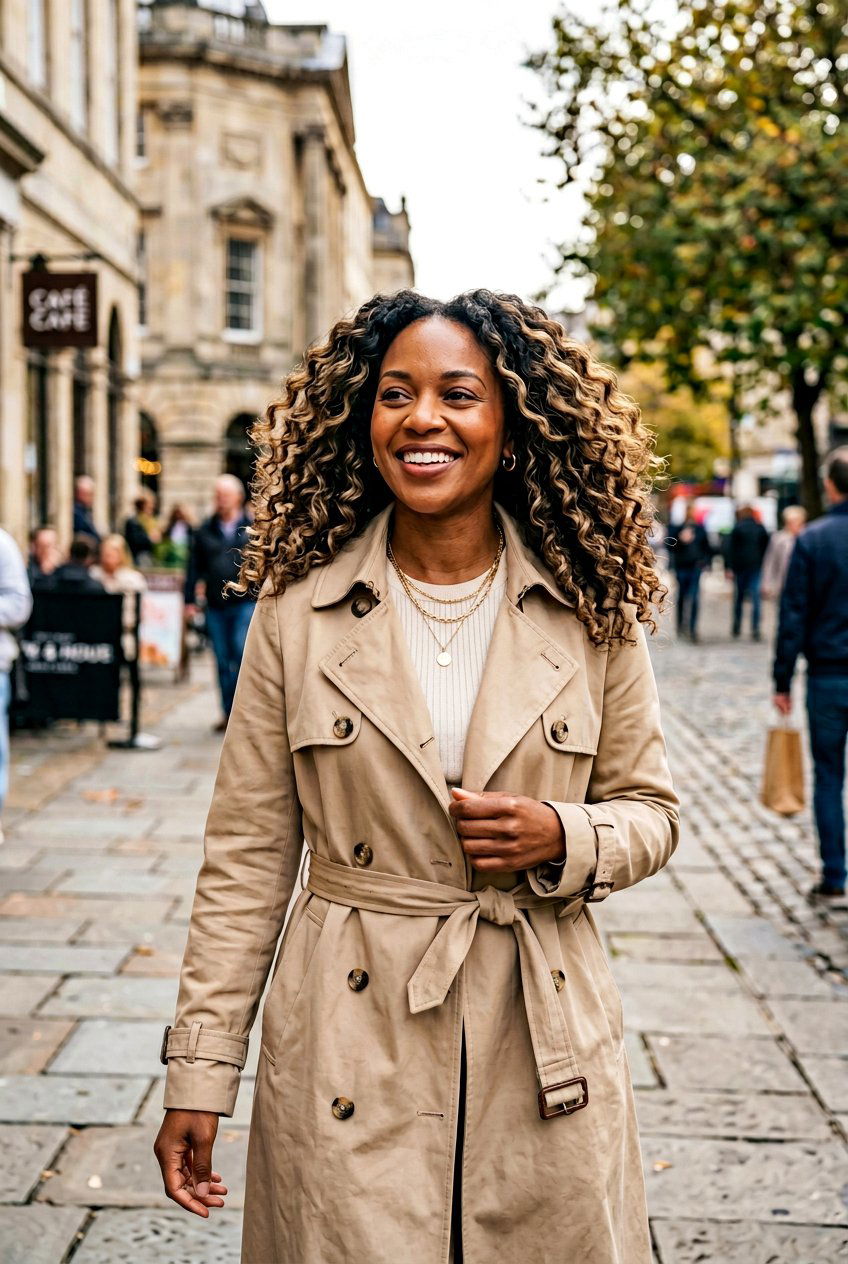
The multi textured braid out involves using different braid sizes throughout the head to create a more organic and layered look. For example, you might use smaller braids at the nape of the neck and larger braids at the crown to create varying wave depths. This mimics the way natural hair often has different curl patterns in different areas. The result is a dynamic, multidimensional hairstyle that looks more natural and less “uniform.” This approach is particularly effective for those who want to add visual interest to a short bob or a simple afro shape. It gives the hair a custom, bespoke feel that showcases the unique beauty of your natural texture.
18. Finger Coiled Braid Out
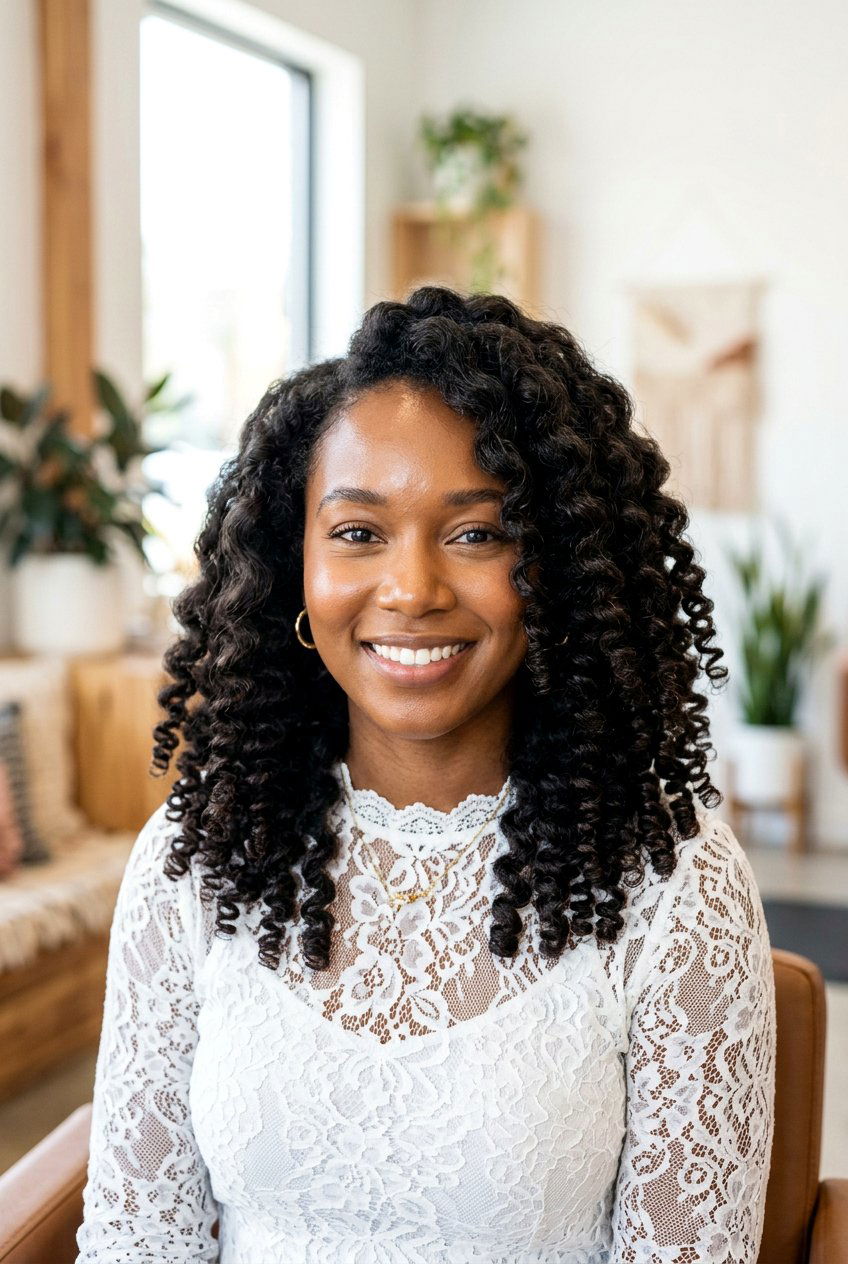
A finger coiled braid out is a meticulous technique where the very ends of each braid are finger-coiled rather than left straight or pinned with a rod. By twirling the end of the braid around your finger with a bit of gel, you create a tiny, springy coil that perfectly complements the braided wave above it. This ensures that the style looks finished and intentional, even on the shortest of hair lengths. The finger-coiled ends provide a bit of weight that helps the braids hang down rather than sticking out, giving the overall silhouette a more graceful and controlled appearance. It is a beautiful, detail-oriented style that speaks to a high level of hair care.
19. Colored Hair Braid Out
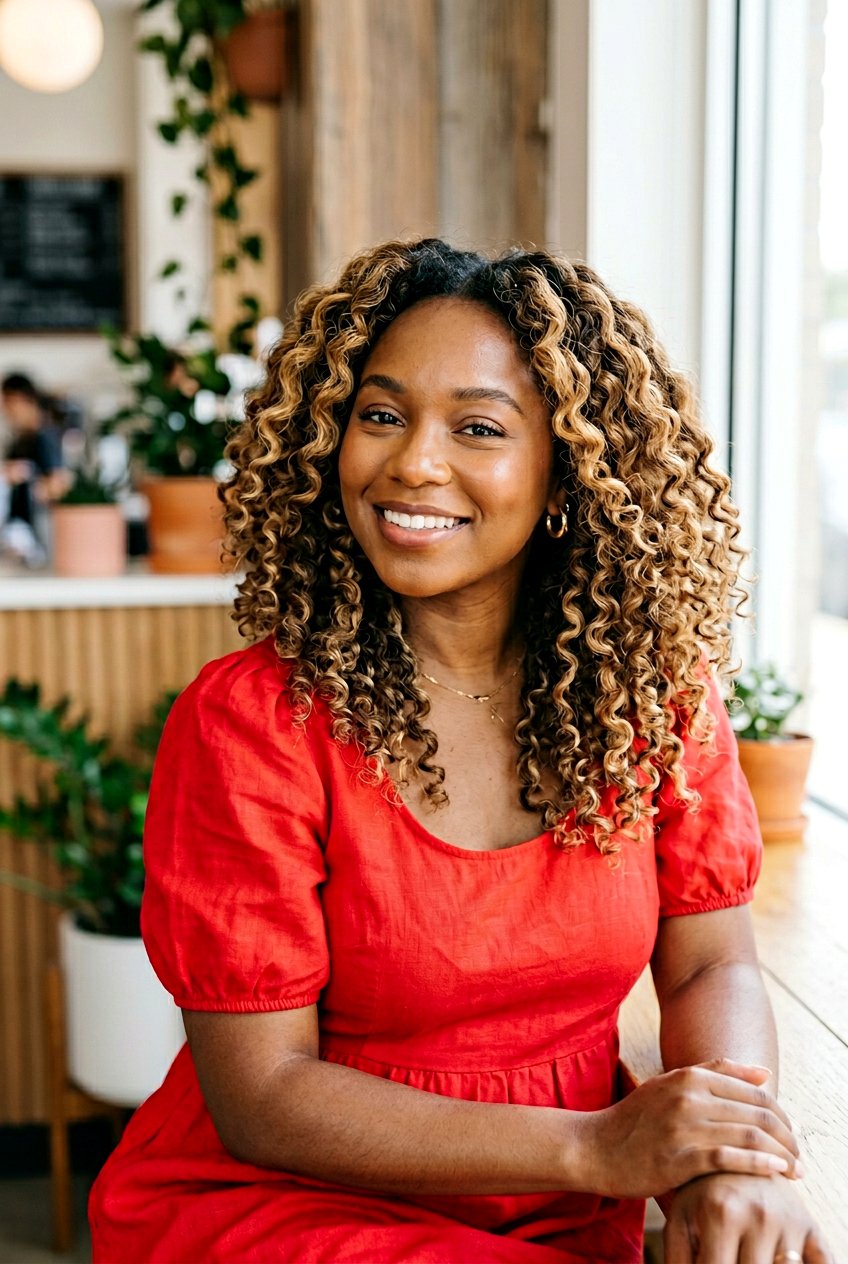
Performing a braid out on colored natural hair is one of the best ways to show off the depth and dimension of your hair dye. Whether you have highlights, an ombre effect, or a bold solid color, the ridges of the braid out catch the light and emphasize the different tones in your hair. The texture of the waves makes the color appear more vibrant and multi-tonal, as the shadows and highlights of the “crimped” pattern create a 3D effect. This style is excellent for those who want to make their hair color “pop” without using heat tools. The combination of a striking color and a defined braid out is a guaranteed head-turner.
20. Braid Out Afro Puff
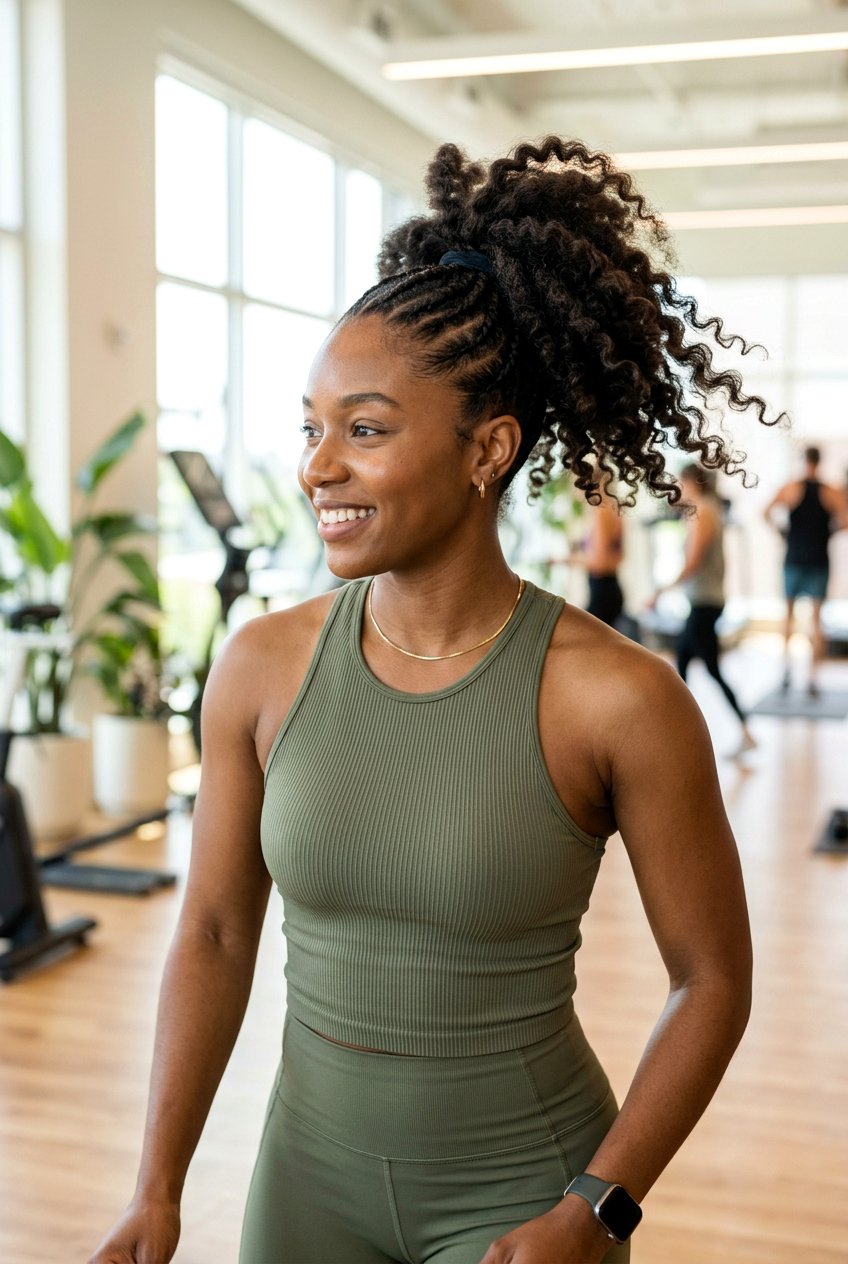
The braid out afro puff is a versatile hybrid style that combines the polished look of a braid out with the ease of a classic puff. After wearing your braid out for a few days, you can gather the hair into a high or low ponytail, leaving the defined, wavy ends to explode from the center. This creates a puff that is much more textured and elongated than a standard one. It is an excellent way to extend the life of your style while still looking sophisticated. The braided texture adds a level of refinement to the puff, making it suitable for everything from a gym session to a dinner date.
Conclusion:
Mastering the braid out on short natural hair is an essential skill for anyone looking to embrace their texture with confidence and style. Whether you prefer the crisp definition of a wet set or the soft, voluminous look of a blown-out style, the braid out provides endless possibilities for customization. By focusing on proper moisture, tension, and sectioning, you can achieve a look that not only looks incredible but also protects your strands from daily wear and tear. This technique is more than just a hairstyle; it is a way to celebrate the versatility of short natural hair. With the right tools and a bit of patience, your braid out can become your signature look, offering beauty and manageability in one stunning package.
You'll Like These Styles:





Leave a Reply