
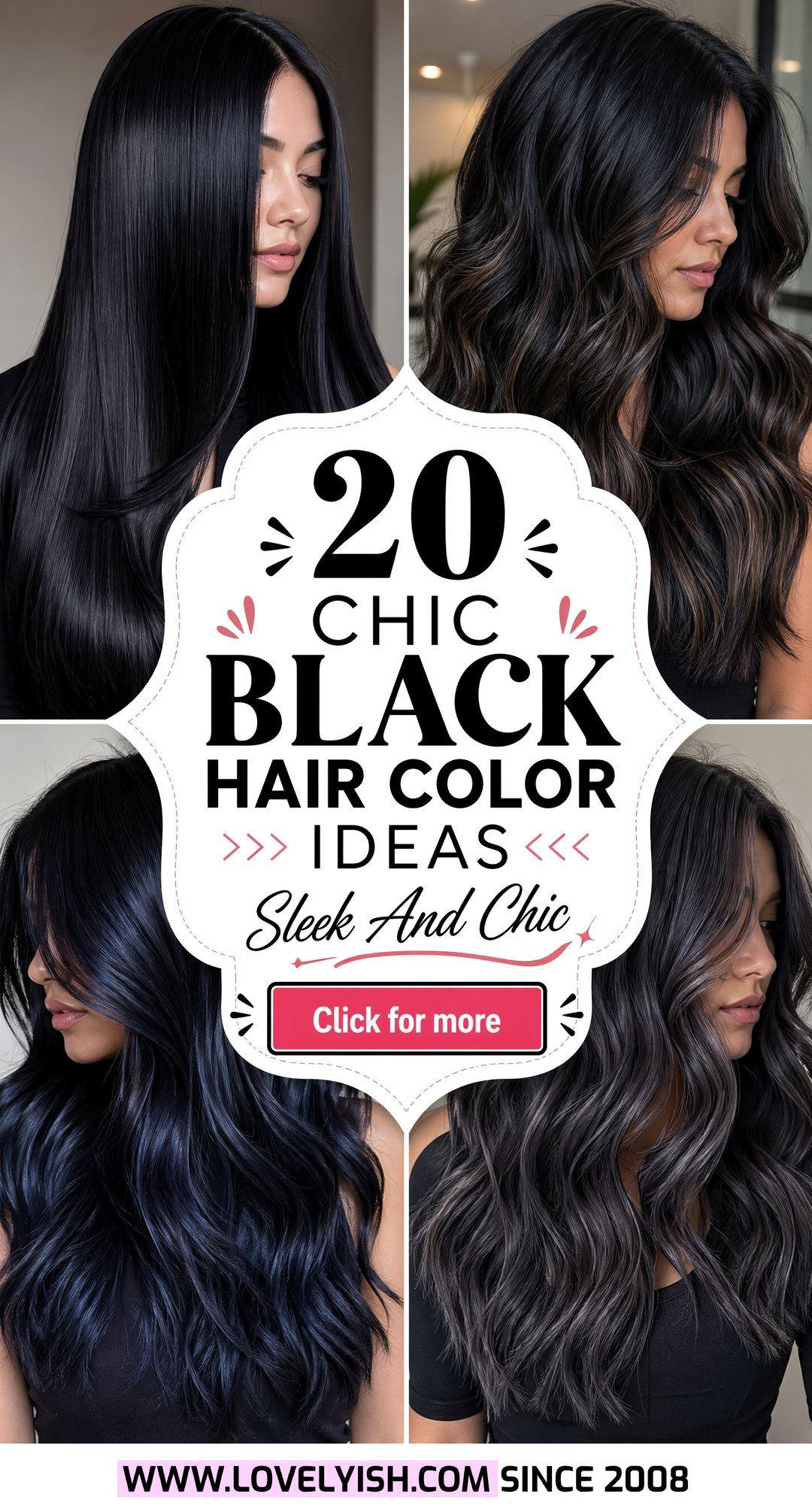
Deep, glossy black hair is never just one flat shade anymore. Today’s black hair color trends are all about undertones, shine, and dimension that make the color look rich instead of harsh. From soft brown‑black to cool blue‑black and high‑shine jet black, there is a version that works for almost every skin tone and hair texture. Many brands now talk about black hair color the way they talk about denim: there is a whole spectrum to play with and you can choose your “wash” of black that feels most like you. Colorists also focus much more on hair health, using glosses, semi‑permanent dyes, and low‑lift formulas so your hair looks reflective and touchable instead of dry or over‑processed. When you are picking a black shade, pros suggest thinking about your undertone, how much contrast you like against your skin, and how much upkeep you want before you commit.
1. Natural Black Hair Color
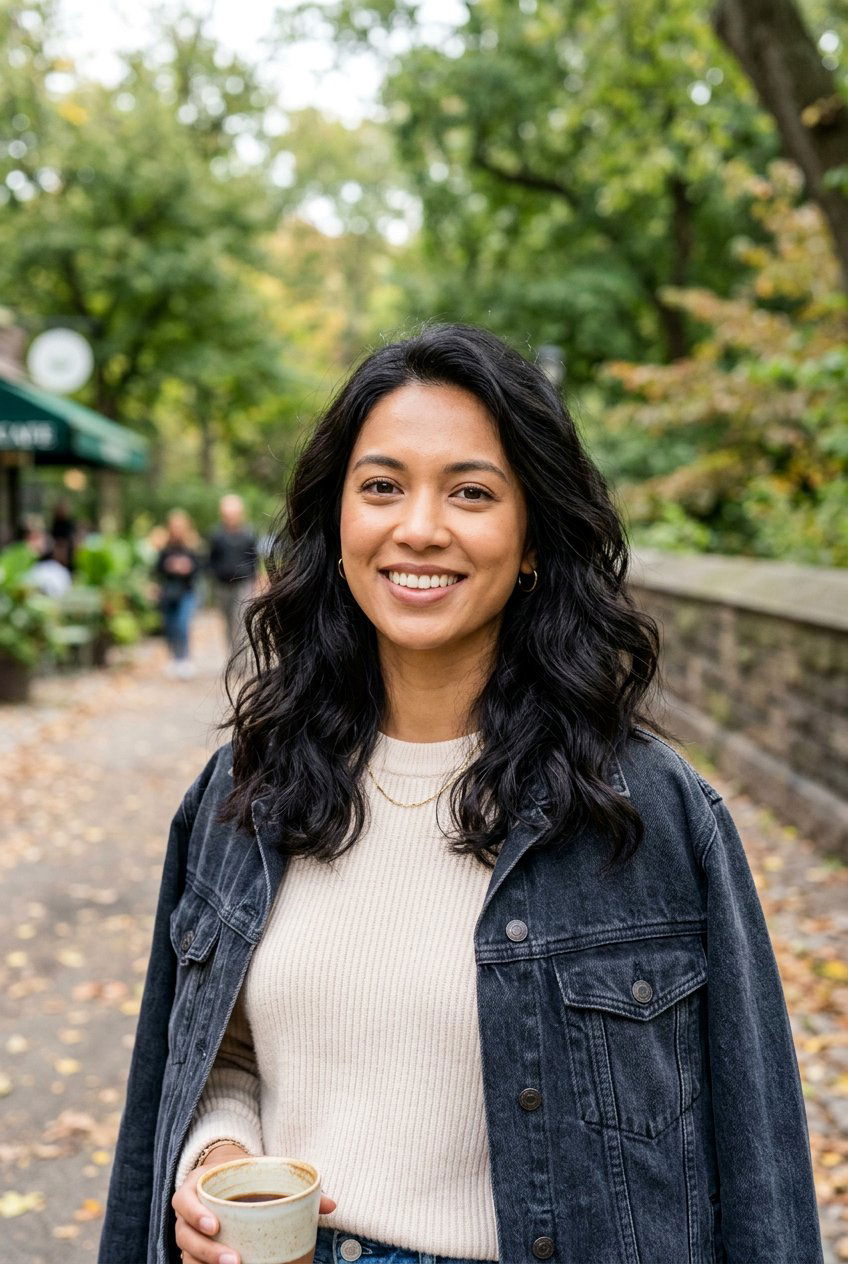
If you want black hair that feels believable and soft, natural black is usually the most wearable starting point. This shade sits right between true black and deep brown, so it gives you depth without that ink‑like, dramatic edge that some people find too harsh for everyday life. Color brands often describe it as a balanced or neutral black, and it tends to flatter a wide range of complexions because it doesn’t lean too blue or too red. It is especially helpful if you are moving from dark brown or dark brunette shades and want to go darker without shocking yourself when you look in the mirror. Natural black is also forgiving when roots grow out, because the contrast line is softer compared with the most intense jet black formulas, which makes it a smart pick if you do not want salon visits every few weeks.
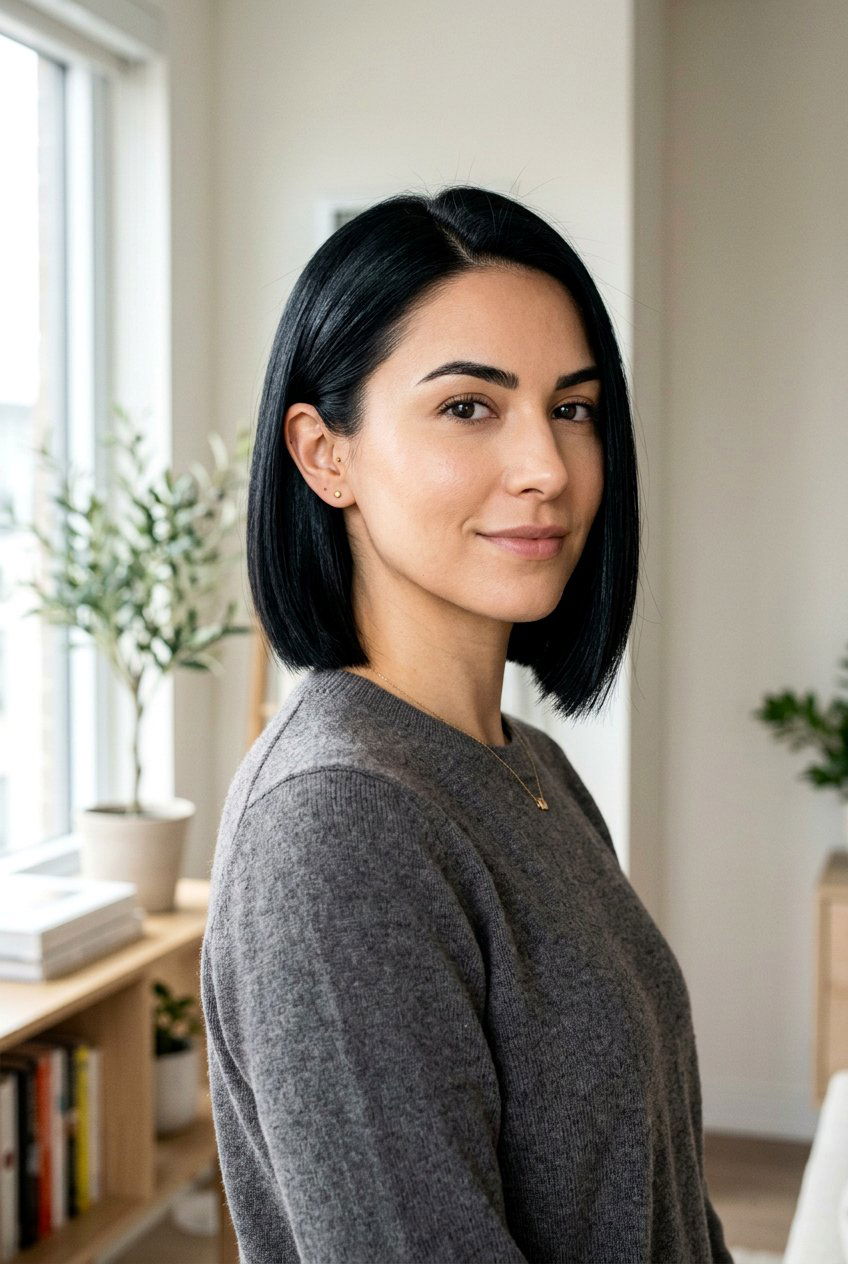
2. Jet Black Hair Color
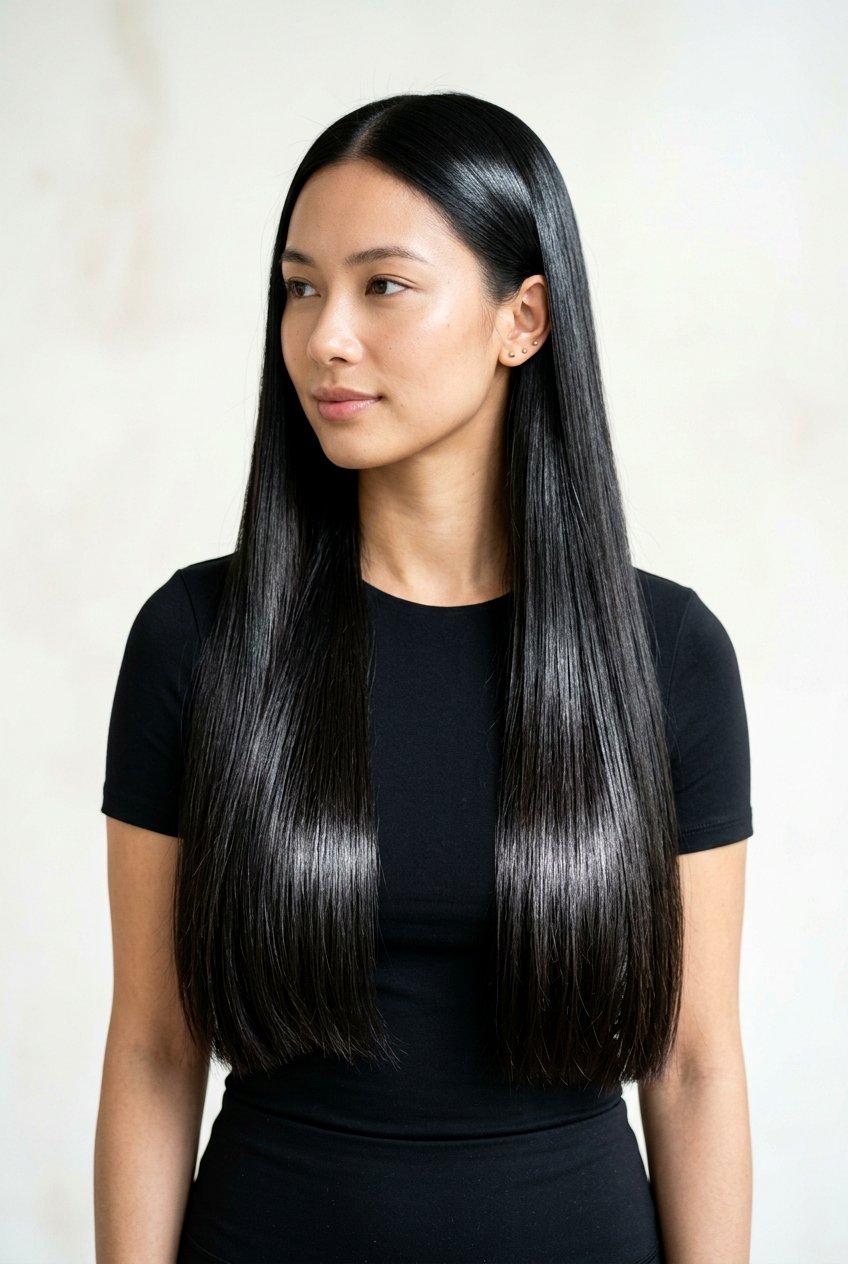
For people who love drama, jet black hair color brings maximum intensity and shine. This is often the deepest, most pigmented black shade a line offers, and it can look almost inky, especially under indoor or studio lighting. On dark and deep skin tones, pros say jet black reads as luxurious and bold while still looking cohesive with the complexion. On fair or light skin, the contrast can be very high, which some people love for a gothic or high‑fashion vibe but others may find too stark. Most colorists recommend keeping hair very glossy when you wear jet black, because shine helps the color look dimensional and expensive rather than flat. Regular gloss treatments and nourishing oils are often suggested to maintain that reflective finish and prevent the shade from appearing dull over time.
3. Soft Black Hair Color

Soft black is a great option if you like the idea of black hair but worry about it looking too severe. Often described as “almost black,” this shade usually has a hint of warmth or brown mixed in, so the result is more muted and natural‑looking. It tends to work beautifully on warm and neutral skin tones because the subtle warmth in the hair echoes the warmth in the complexion. Many stylists suggest soft black for first‑time dark color clients who are nervous to jump straight into a very cool or blue‑black formula. Because the color is slightly softer, your features do not feel overwhelmed, and makeup can stay minimal while still looking balanced with your hair. As your roots grow, the line between your natural shade and soft black can look more blurred than with very intense blacks, so upkeep often feels more manageable.
4. Brown Black Hair Color
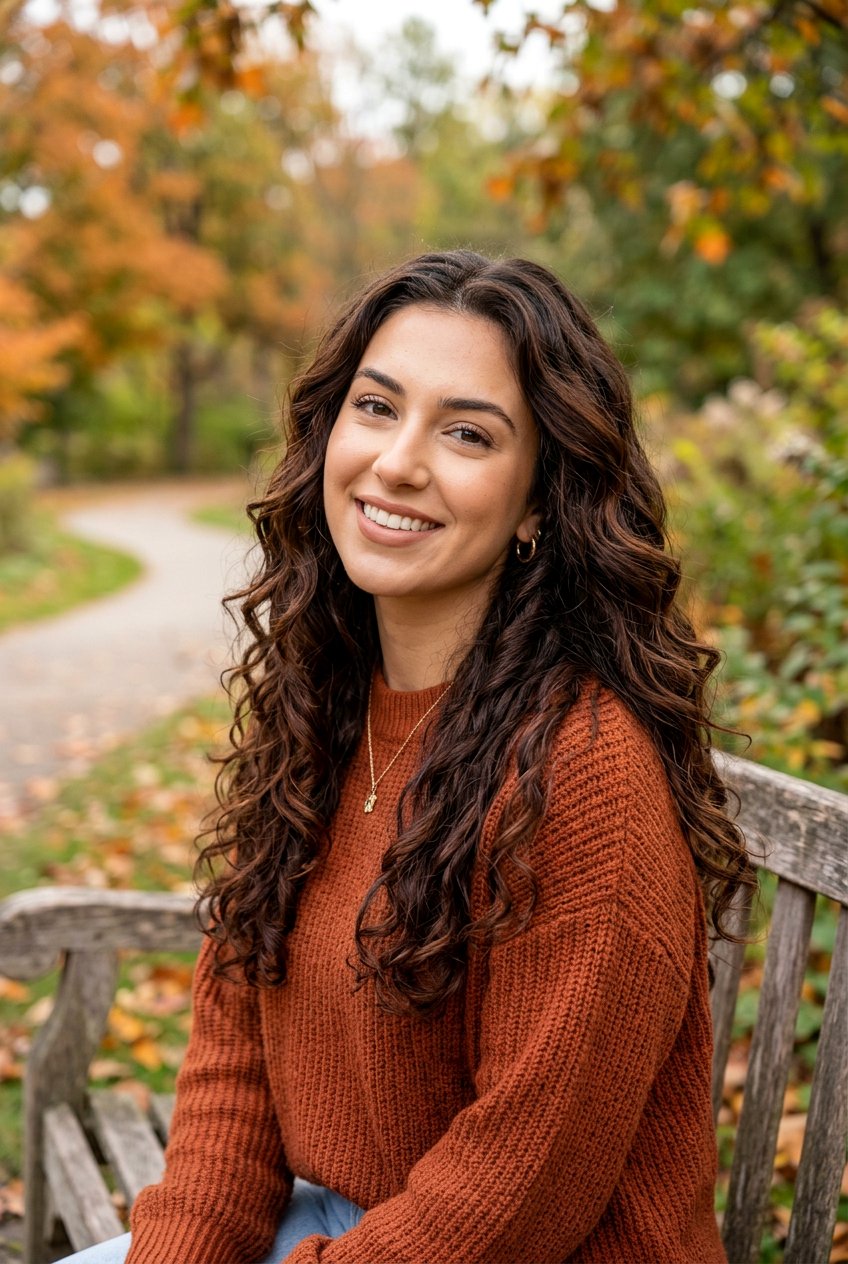
Brown black hair color is ideal if you love depth but still want warmth and dimension. This shade usually mixes rich dark brown with black pigment, creating a color that looks deep from far away but reveals soft brown tones when light hits it. Colorists often recommend brown black for people with warm or olive undertones who feel pure black makes their skin look washed out or hard. It can also be a friendly transition shade for medium brunettes who want to see what deeper hair would look like without committing to full black. Because the brown undertones reflect light, the hair often appears shinier and less one‑note in everyday lighting, which is helpful if your hair texture tends to swallow light. This shade also pairs well with subtle highlights, like caramel or chocolate pieces, if you ever want more movement later without lifting your base too much.
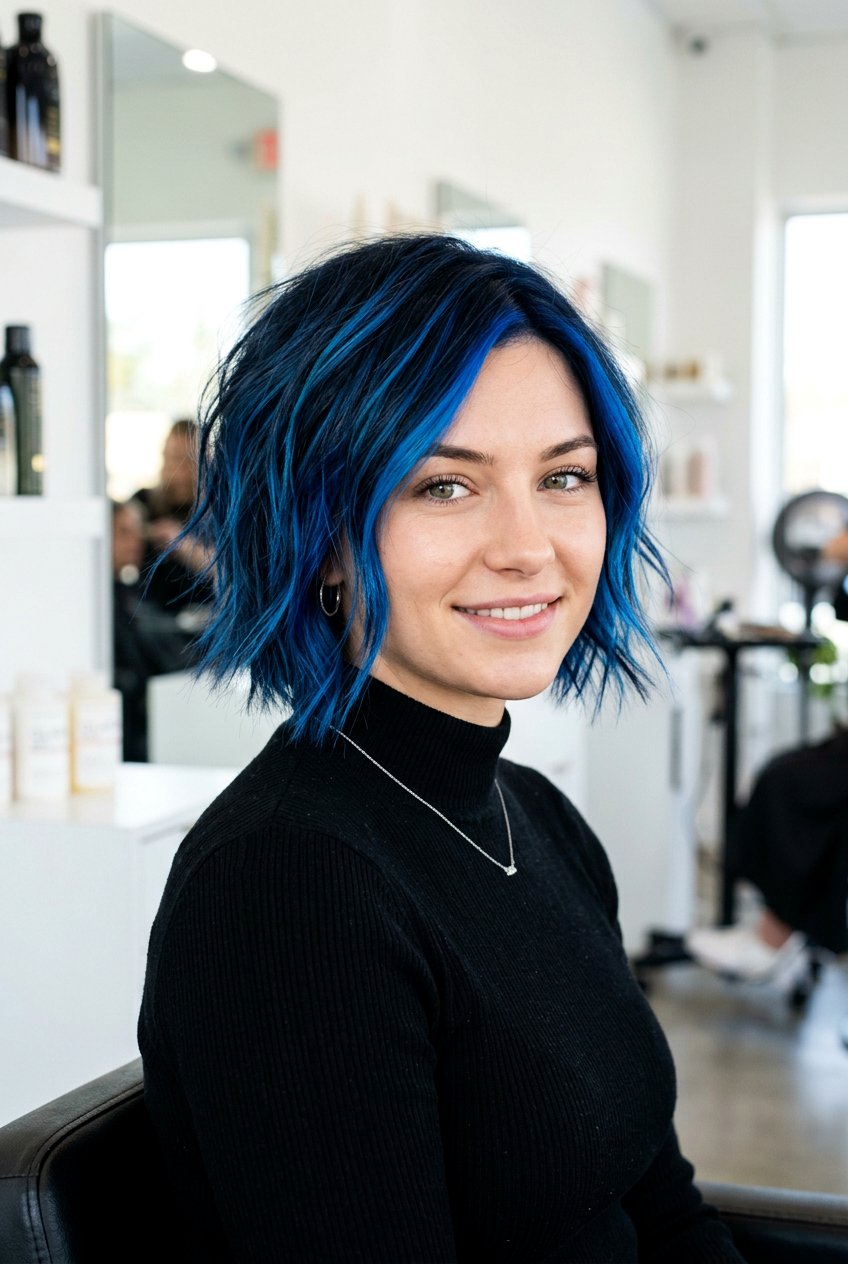
5. Blue Black Hair Color
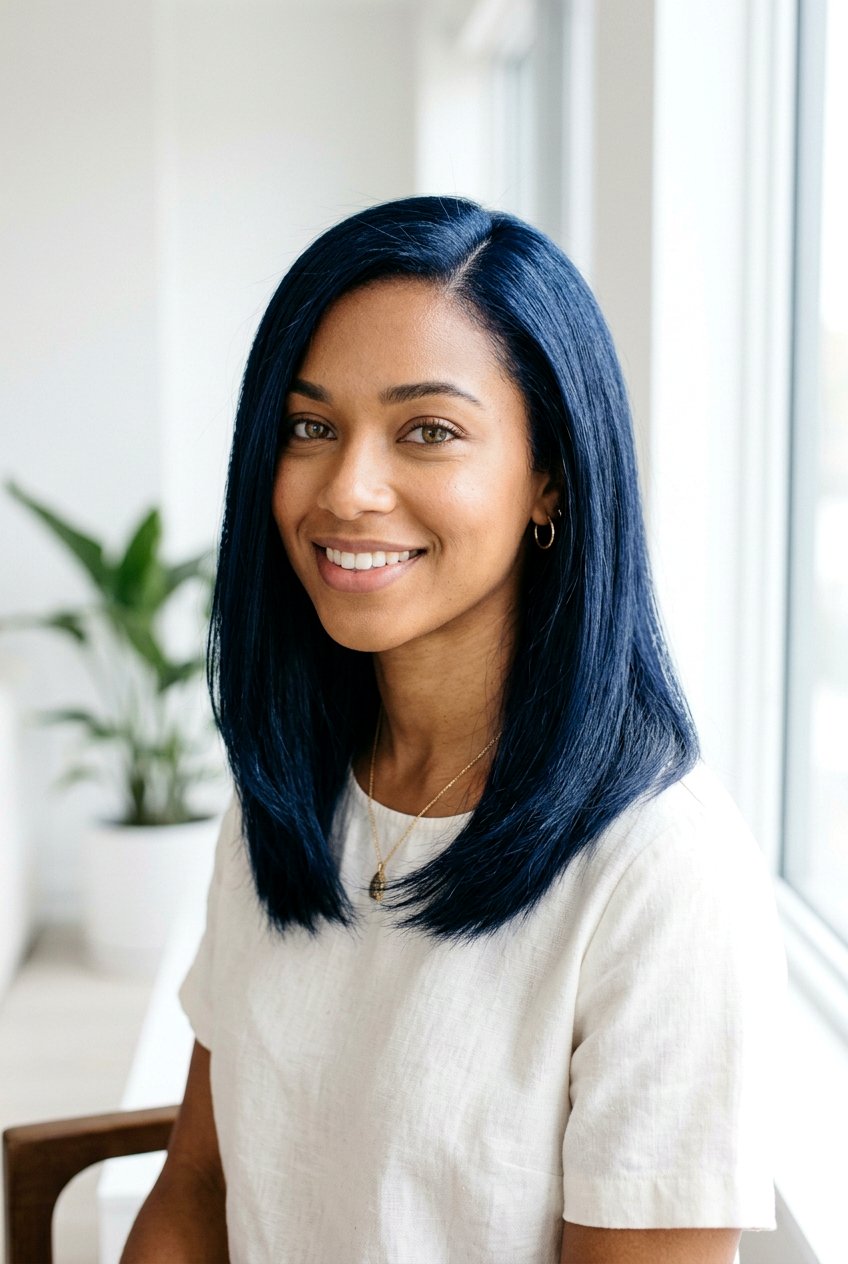
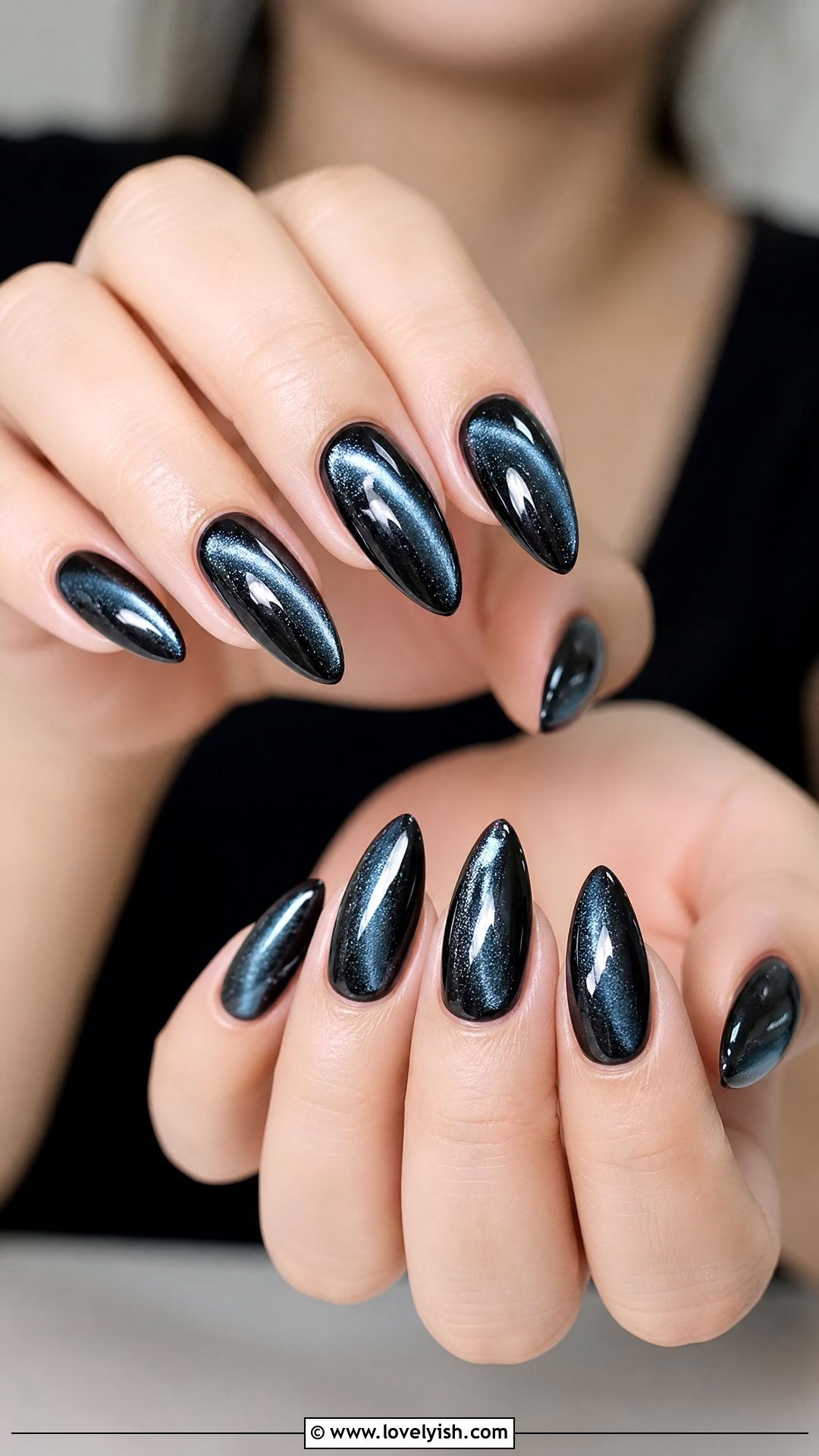
Blue black hair color adds a cool, edgy twist to classic dark hair. In most formulas, the base is deep black with blue tones layered in, so your hair can look almost black indoors but reveal a navy or sapphire sheen under sunlight or flash. Many pros point out that blue‑black often flatters people with warmer or golden undertones because the coolness of the hair contrasts nicely with the warmth in the skin. It is also a popular choice for anyone chasing a sleek, futuristic look, especially when paired with smooth, straight styles that showcase the reflection. Blue‑black can fade toward a softer, more neutral dark over time, so color‑safe shampoo and cool water rinses are usually recommended to protect the tone. If you are coloring at home, brands often advise doing a strand test first because cool blacks can look darker than expected on very porous hair.
6. Metallic Black Hair Color
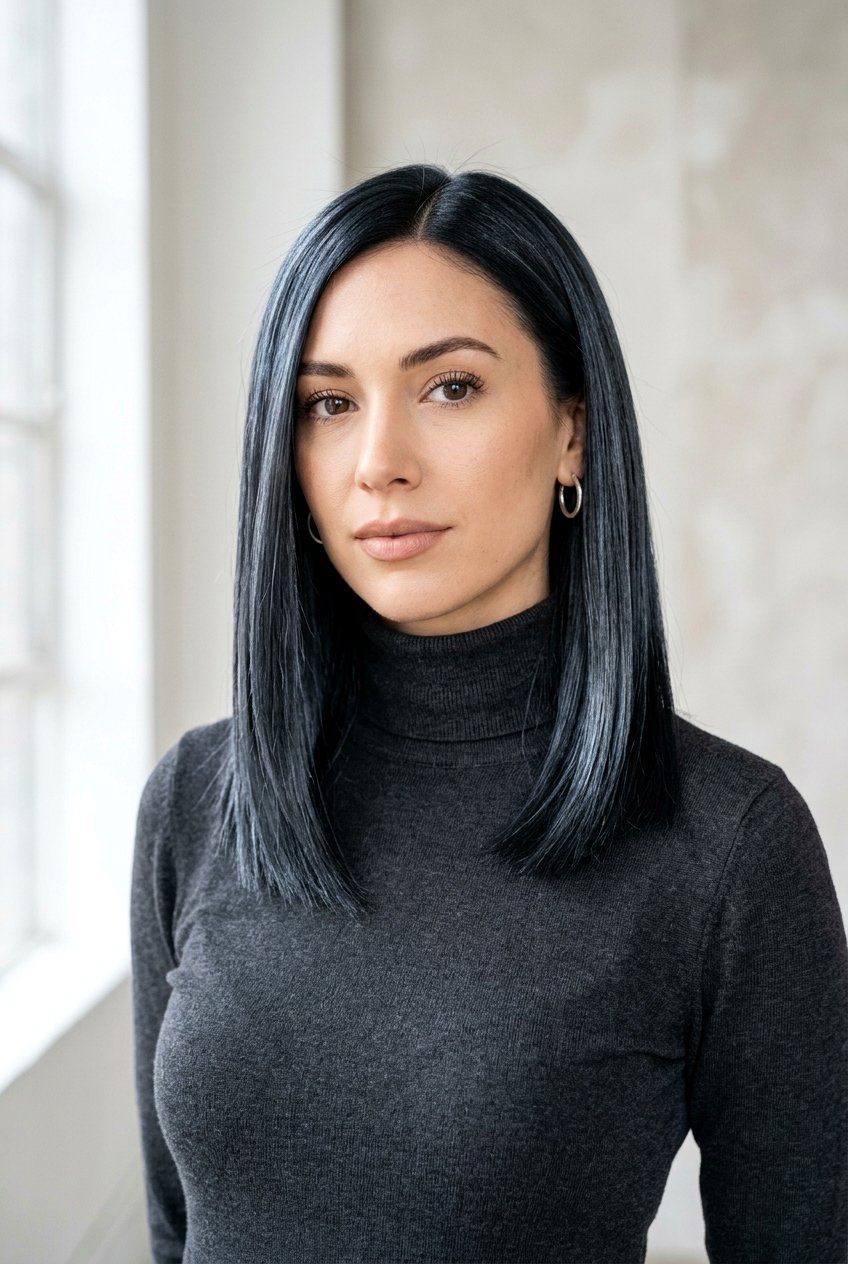
Metallic black hair color leans into cool, reflective tones that almost shimmer. Colorists describe this trend as a black shade with icy, metallic reflects that catch the light and keep the color from looking flat. On people with cool or neutral undertones, metallic black can look especially striking because the cool reflects echo the cooler tones in the skin. This shade often works best on very smooth hair textures, since the more polished the surface, the more those light‑catching tones can show up. Maintaining metallic black usually means using glosses or toners that keep the cool cast from drifting too warm or brassy, especially if your natural hair pulls red or orange. Many stylists also recommend heat protectant and shine serums here, because any damage that roughens the cuticle can make a reflective black shade look dull faster.
7. Deep Black Hair Color
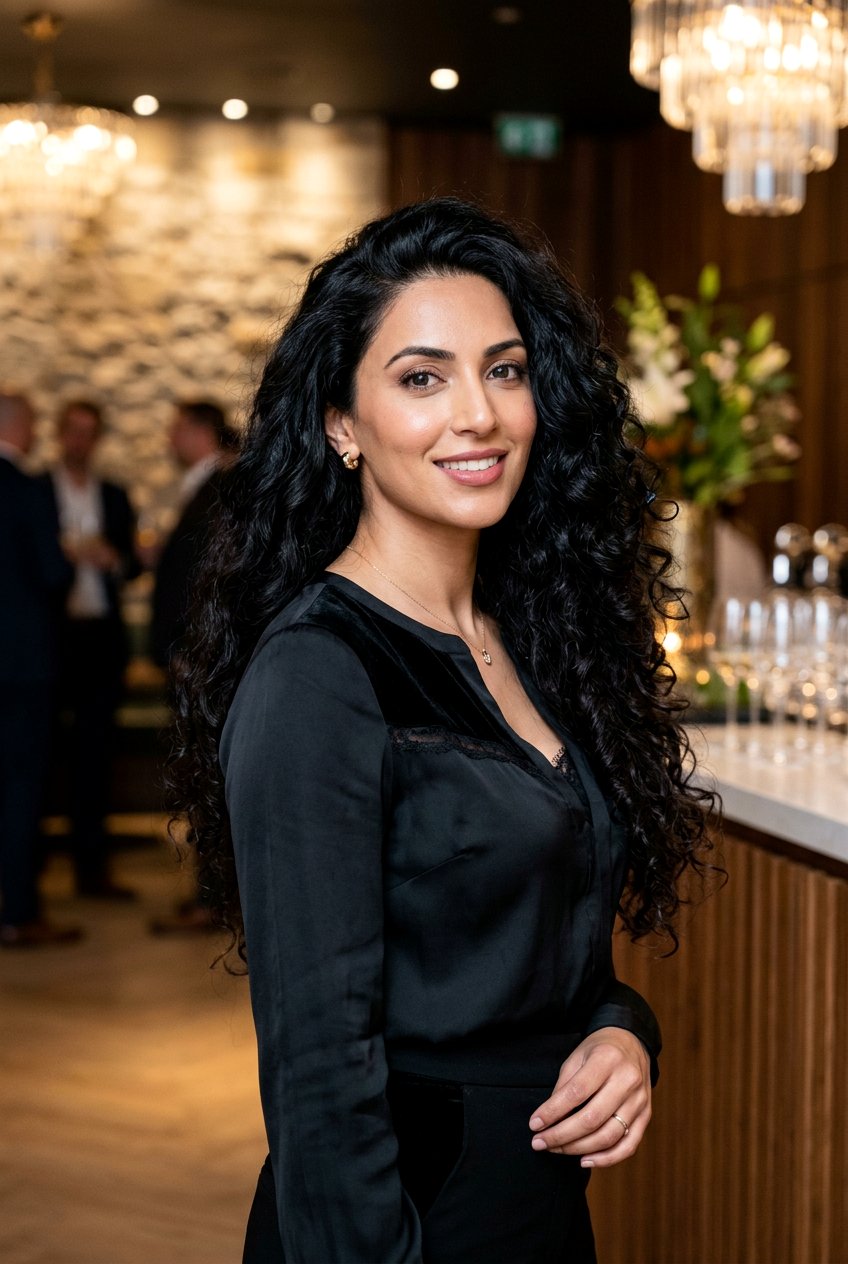
Deep black hair color is all about saturation and richness without necessarily adding strong blue or metallic tones. Think of it as a full‑bodied black that looks dark and luxurious from roots to ends, often described as “drenched in black.” This kind of shade is popular for people who want their hair to be a strong statement feature, especially when worn long, sleek, or paired with defined curls. It tends to suit neutral and deeper skin tones very well, because the intense depth feels harmonious rather than overly sharp. Since deep black is highly pigmented, it can be slower to fade, but when it does, it might drift toward a softer charcoal or dark brown depending on your starting color. To keep it looking expensive, pros usually suggest nourishing masks and UV protection so the sun does not quietly strip away vibrancy over time.
8. Black Hair With Chestnut Highlights

Black hair with chestnut highlights is a timeless way to add warmth and movement. In this look, a dark black or brown‑black base is broken up with medium brown chestnut pieces that glow in the light but still blend softly with the root color. Many stylists like chestnut for people who want low‑maintenance highlights, because the hue is close enough to a dark base that grow‑out lines are subtle. Chestnut tones can also flatter a wide range of undertones, especially warm and neutral complexions, since the highlights echo the natural warmth in the skin. This combo looks especially pretty on wavy or curly textures, where the shape of each wave helps show off the lighter pieces without much styling effort. Because chestnut is not extremely light, it is often gentler on the hair than very blonde highlights, which can be reassuring if you are cautious about damage.
9. Black Hair With Caramel Balayage
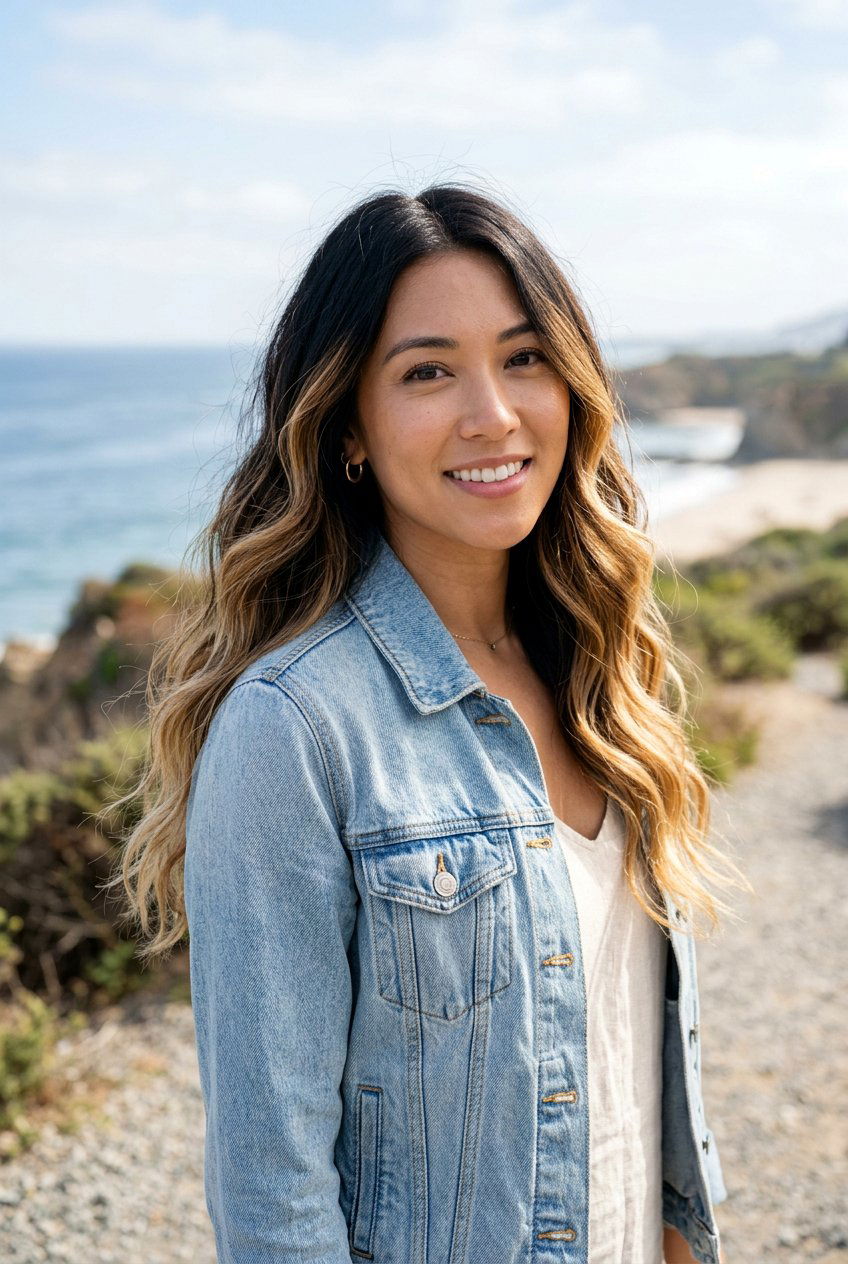
Caramel balayage on black hair gives a softer, sun‑kissed effect while keeping the base deep and rich. With balayage, the colorist paints caramel tones onto the mid‑lengths and ends, usually focusing brightness around the face and leaving the roots mostly natural or dark. This makes grow‑out easier because there is no hard line of demarcation at the scalp, and the look can stretch for months with minimal upkeep. Caramel tones lean warm, so they tend to complement warm or olive skin and can help add some glow if black hair sometimes feels too heavy against your face. This pairing is especially trendy in looser waves or blowouts that show off the color gradient from root to tip. To keep caramel from turning brassy, stylists often suggest sulfate‑free products and occasional toning to maintain that soft golden, toffee‑like shade.
10. Black Hair With Ash Brown Babylights
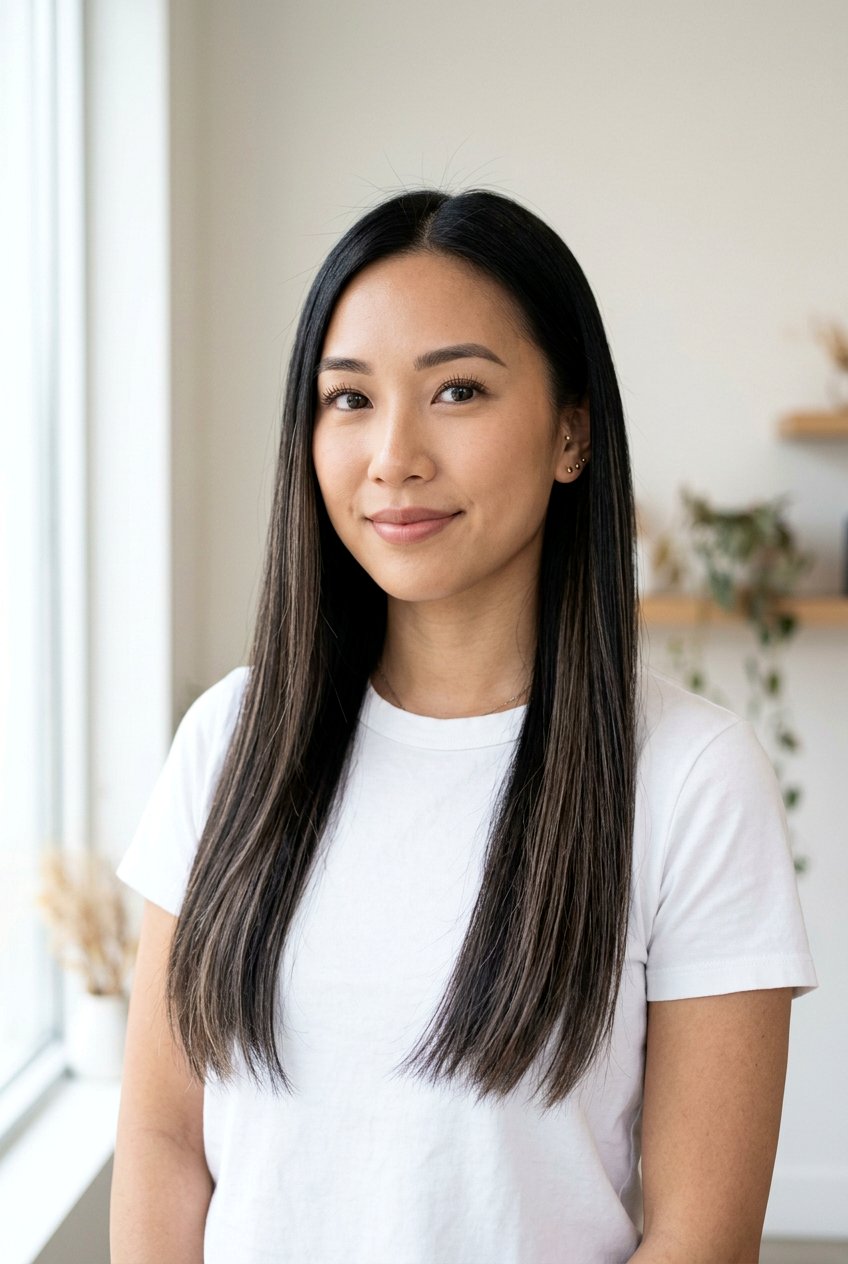
Ash brown babylights on black hair give a cooler, more understated kind of dimension. Babylights are very fine, delicate highlights that mimic the soft, natural lightening you might see in children’s hair, so they are perfect if you want something subtle. When done with ash brown on a black base, the result is a gentle haze of cool lightness that breaks up the dark without looking streaky or bold. Colorists often recommend this look for people with cooler or neutral undertones or for anyone who prefers silvery, taupe, or cool nude makeup tones. Because the highlights are so fine, grow‑out tends to be very forgiving, making this great if you are low maintenance but still want visible dimension in sunlight. Keeping ash tones requires purple or blue‑based products at times, since cool browns can drift warmer as they fade on dark natural bases.
11. Black Hair With Blonde Babylights
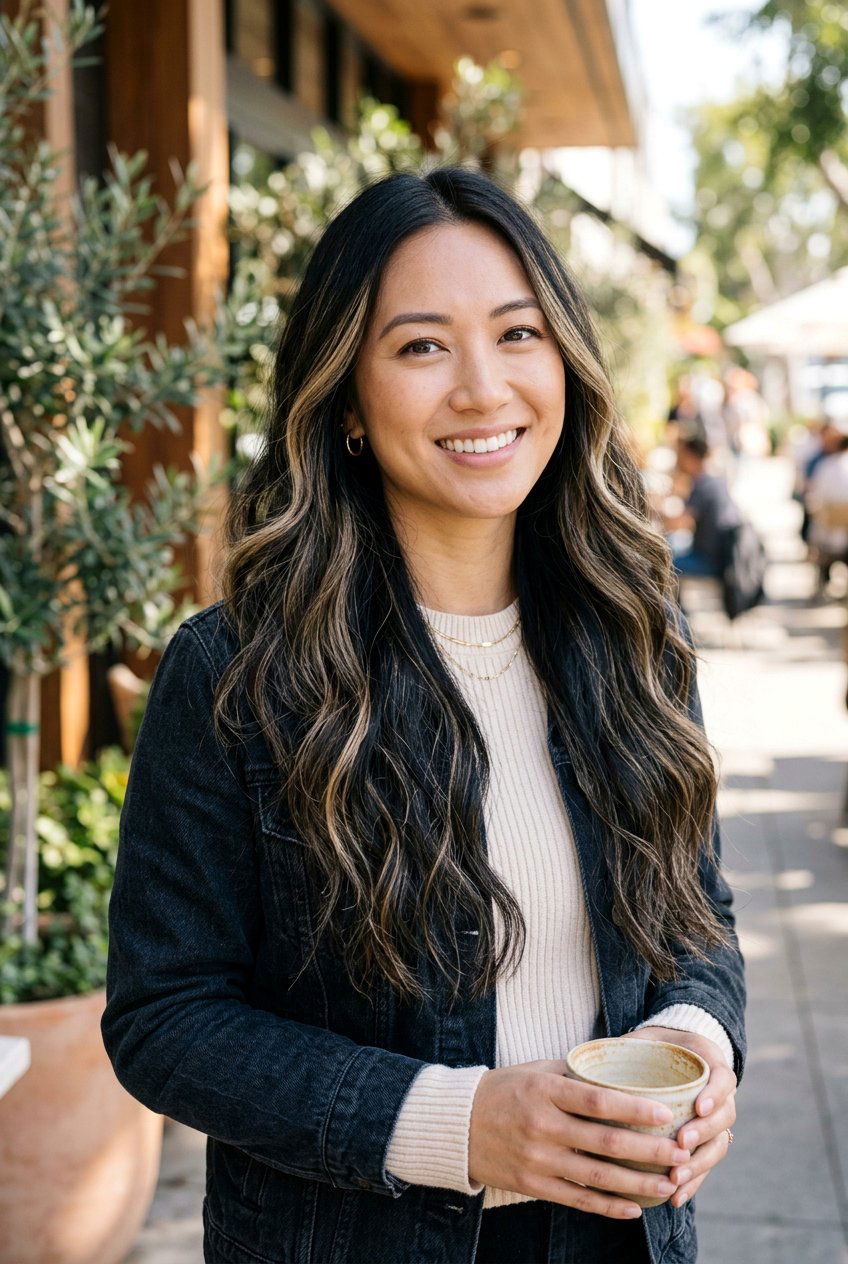
Black hair paired with blonde babylights creates higher contrast while still staying refined. In this look, ultra‑fine lines of soft blonde are woven through a black or very dark brown base, giving a diffused brightness instead of chunky streaks. It is a favorite technique for people who want that “lit from within” effect when light hits their hair, especially around the hairline and crown. Because blonde over black requires more lift, stylists usually work carefully and may recommend treatments to protect the hair’s integrity during and after lightening. On medium to deep skin tones, the contrast can look glamorous and frame the face beautifully; on fair skin, it can lean more editorial depending on how light the blonde is. Maintenance can include toners to keep brassiness in check and moisturizing products so the lightened sections stay smooth and reflective, not parched.
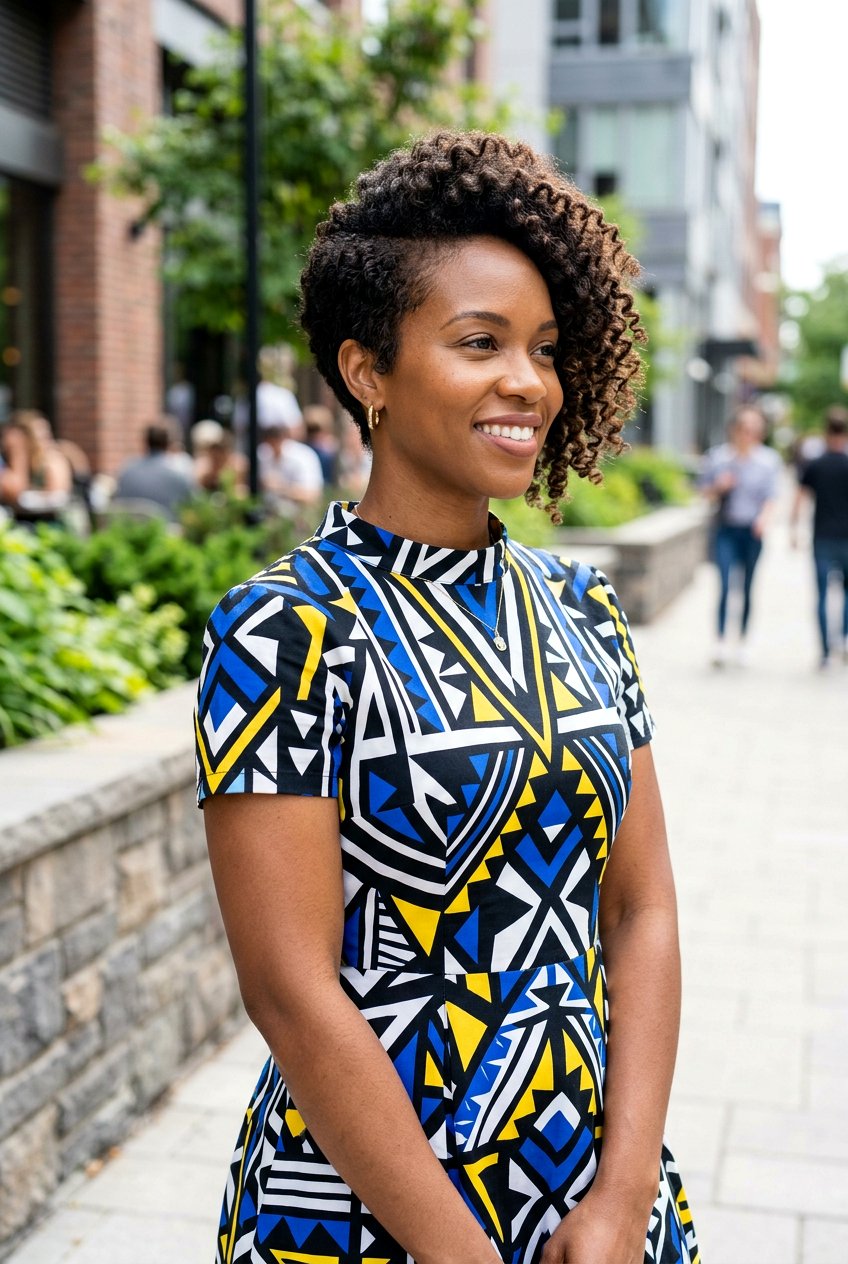
12. Black Hair With Golden Brown Face Framing
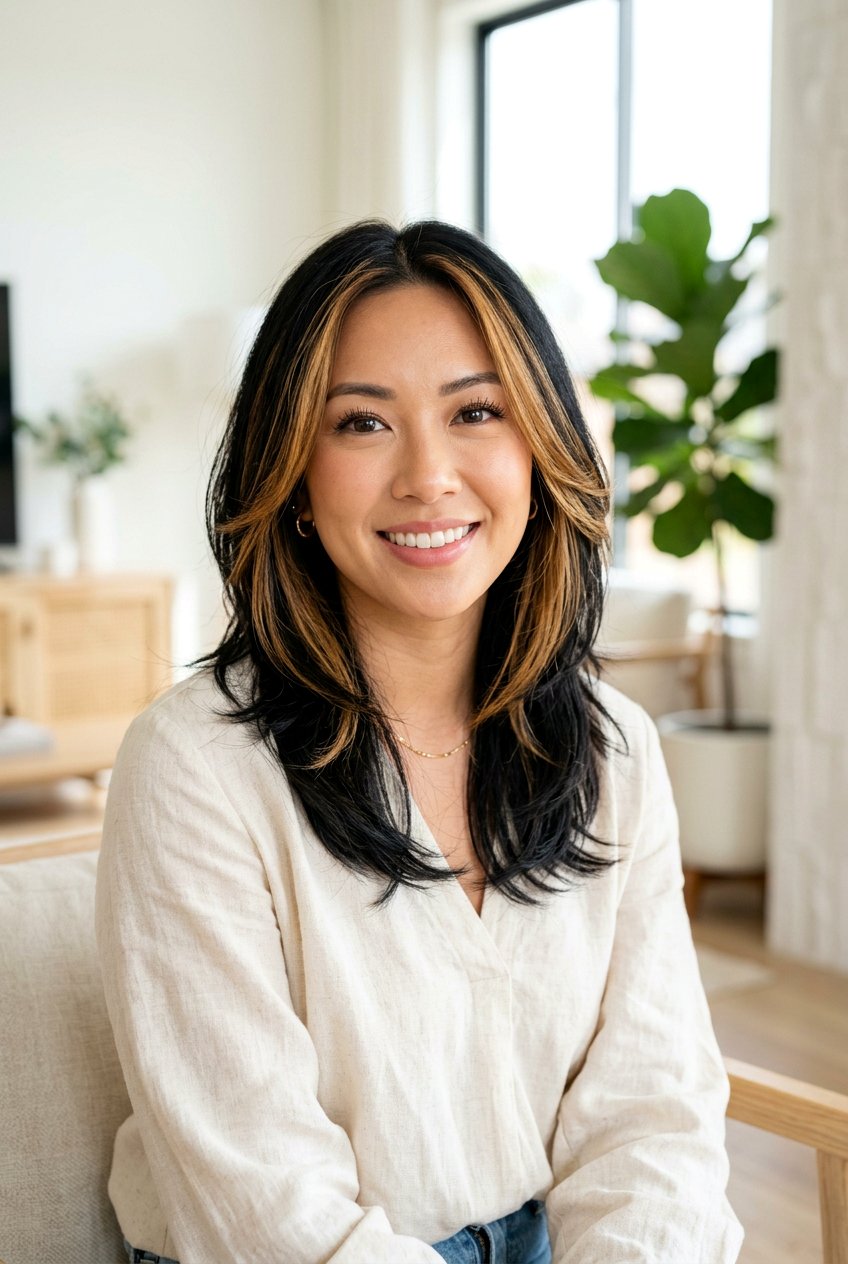
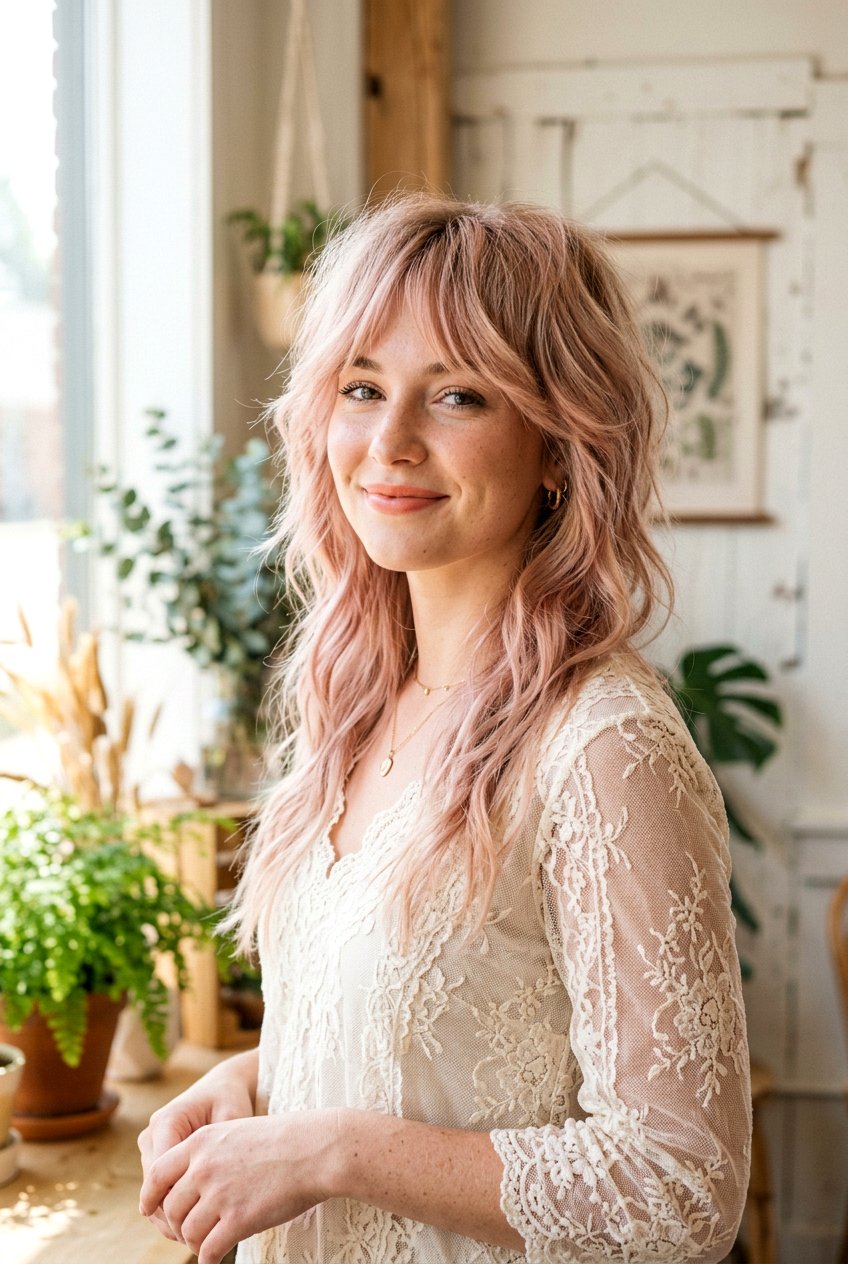
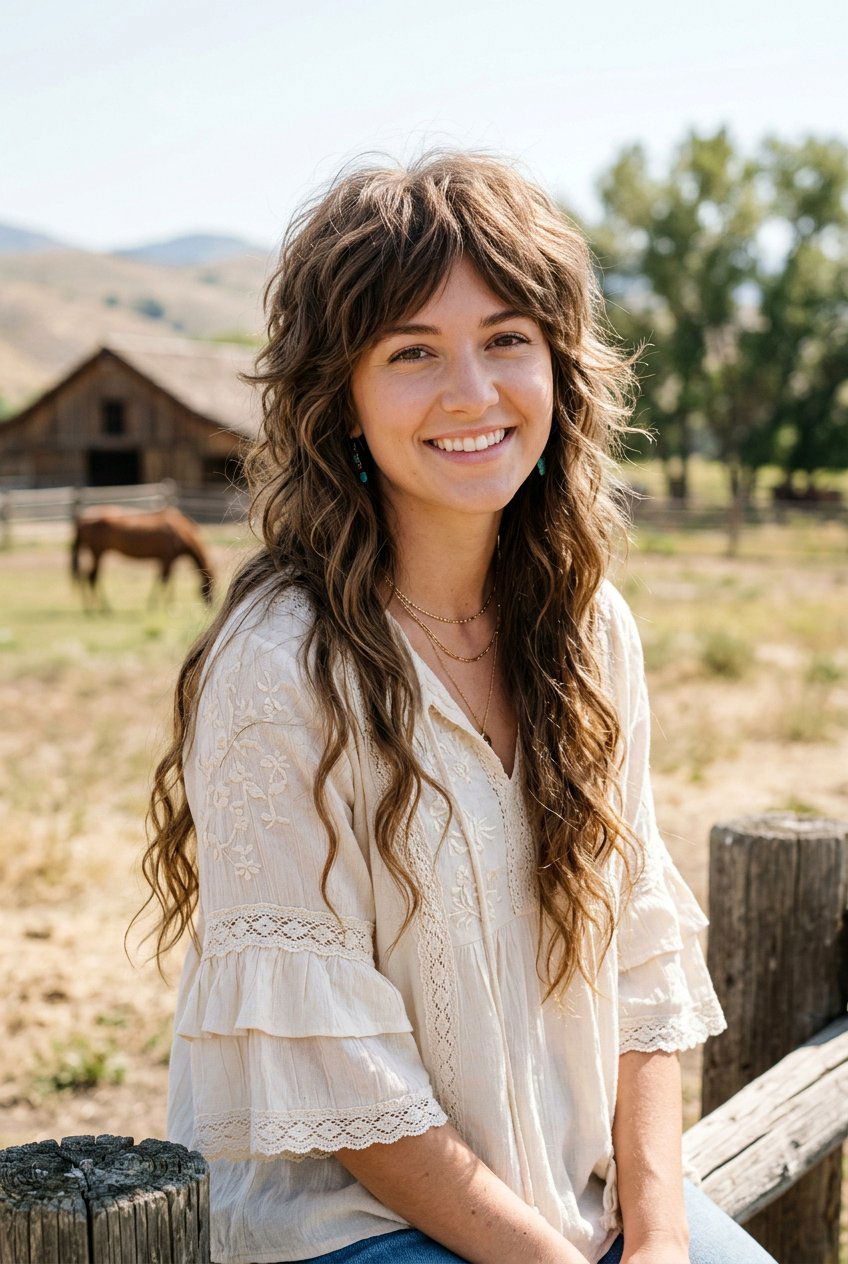
Golden brown face‑framing color on black hair is a strategic way to brighten your features. Instead of placing highlights all over, the colorist focuses warm golden brown pieces around the front sections and fringe area while keeping the rest of the hair mostly black. This technique can make your eyes and cheekbones stand out, and it is especially popular for people who want a change without a full overhaul. Golden brown tends to work very well with warm undertones and can also add a bit of warmth to neutral skin that sometimes looks flat with very dark hair alone. This placement is also lower commitment, because if you decide you are over the brightness, it is limited to a smaller area that can be toned darker again more easily. Regular glosses are often recommended to keep the golden tones shiny and to stop them from drifting too orange or dull between appointments.
13. Black To Honey Brown Ombre Hair
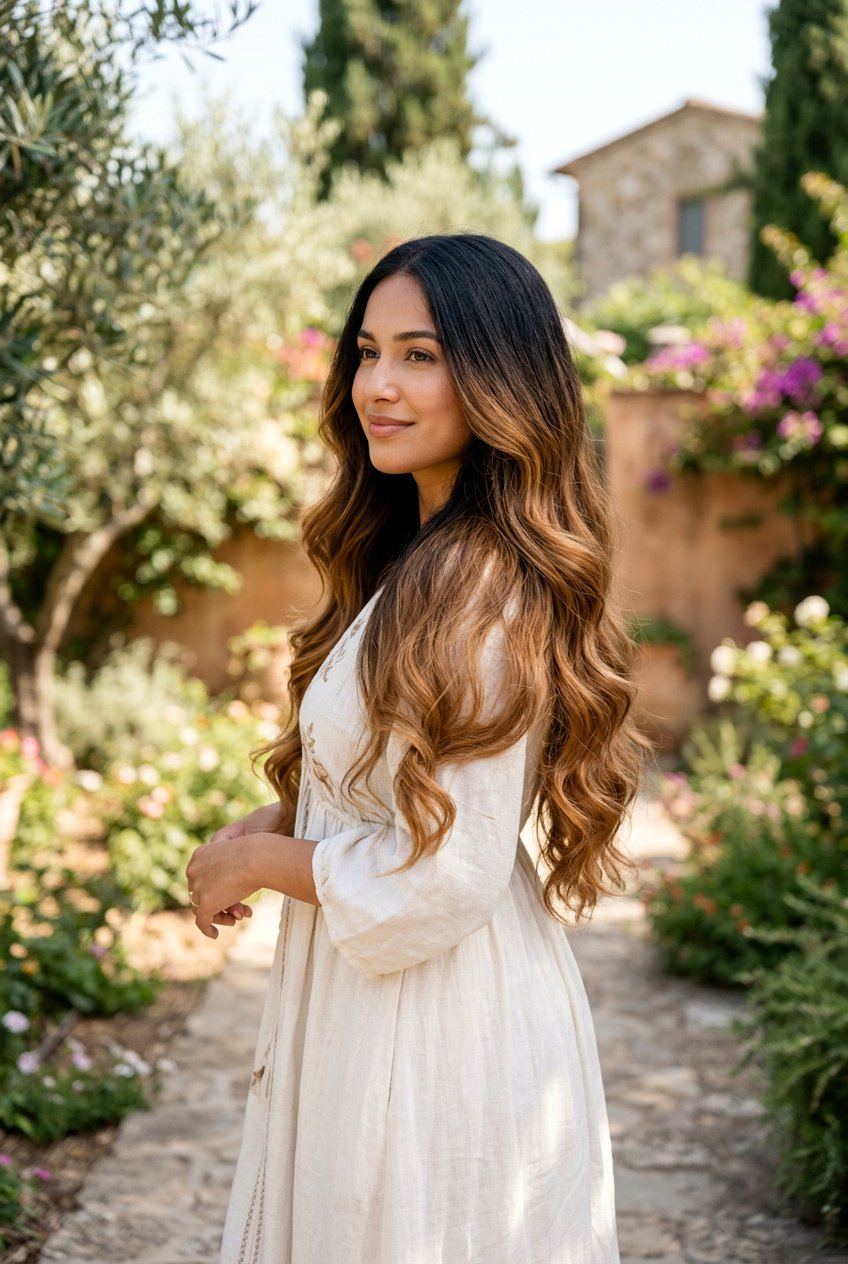
Black to honey brown ombre is a classic gradient that moves from dark roots to warm, glowing ends. In most versions, the top of the hair stays black or very dark brown, and the length gradually shifts to honey brown so there is a soft, noticeable transition rather than a sharp line. This creates a summery, light‑catching effect that looks especially pretty on long hair or mid‑length cuts with waves. Honey tones lean warm and can complement many medium to dark skin tones, adding brightness around the shoulders and ends without changing your natural base. From a maintenance standpoint, ombre is forgiving because your natural color near the scalp typically remains untouched, so you can go longer between touch‑ups. As with other warm shades, stylists often recommend color‑safe products and occasional toning to keep the honey looking creamy instead of brassy.
14. Black Hair With Chocolate Balayage
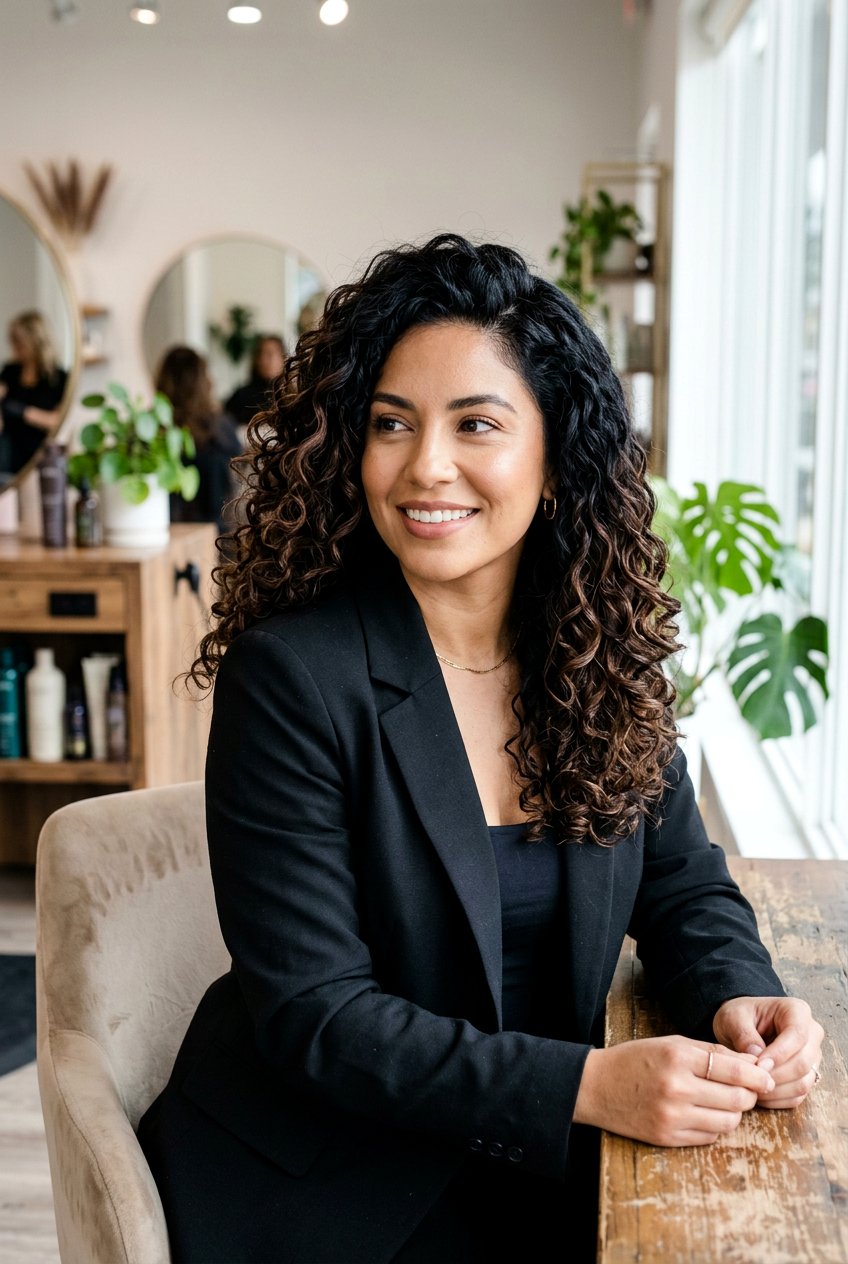
Chocolate balayage on black hair gives a soft, seamless type of dimension that feels sophisticated. Here, the colorist paints rich chocolate brown tones through the mid‑lengths and ends while leaving enough of the black base visible for depth. The result is a low‑contrast blend that still adds movement and interest, especially when the hair is curled or styled in loose waves. Chocolate shades tend to flatter many undertones, but they can be especially flattering on warm or neutral skin, echoing the natural warmth without going too bright. This is a good choice if you want to experiment with balayage but do not like the look of strongly contrasting lights against your dark base. Because the tones are close together, fading is usually less noticeable, and maintenance often revolves around shine treatments and gentle products rather than frequent recoloring.
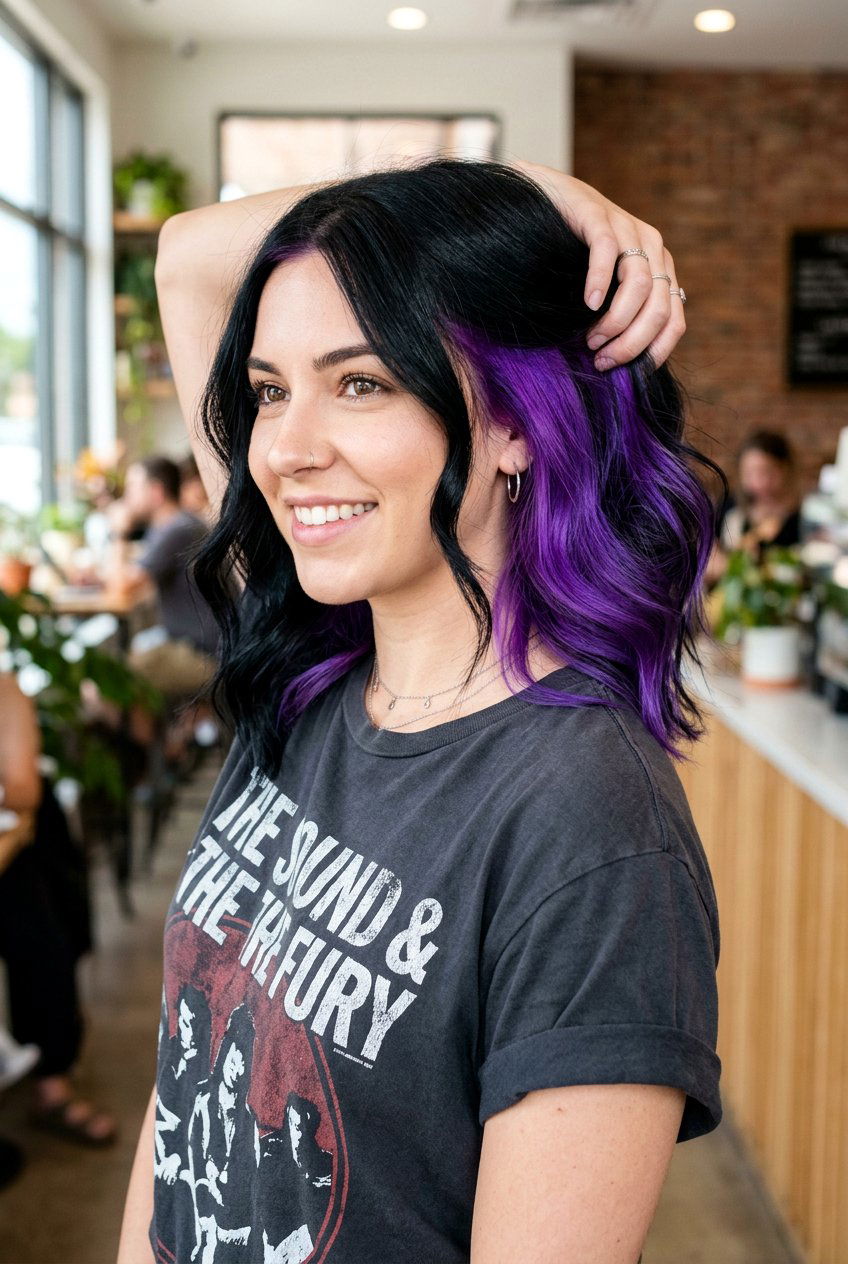
15. Black Hair With Violet Highlights
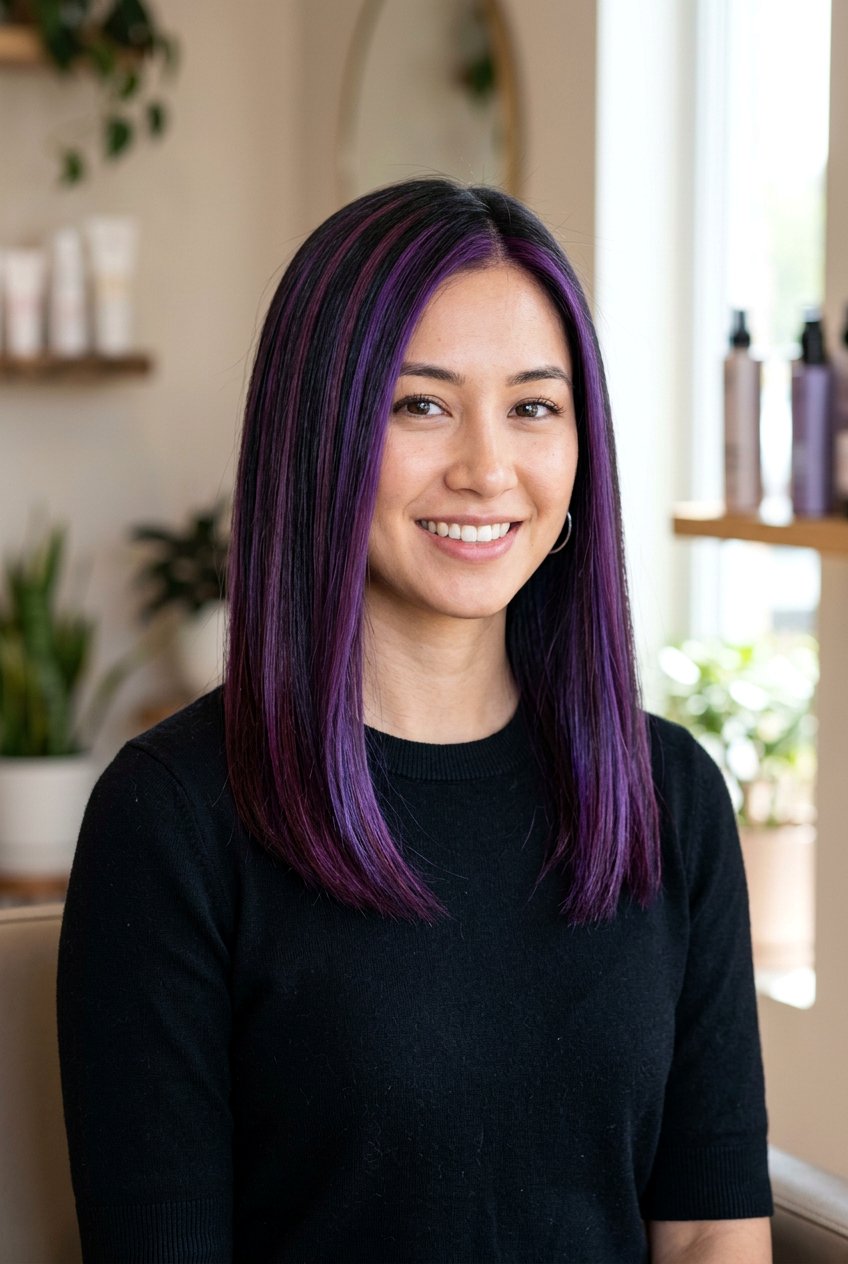
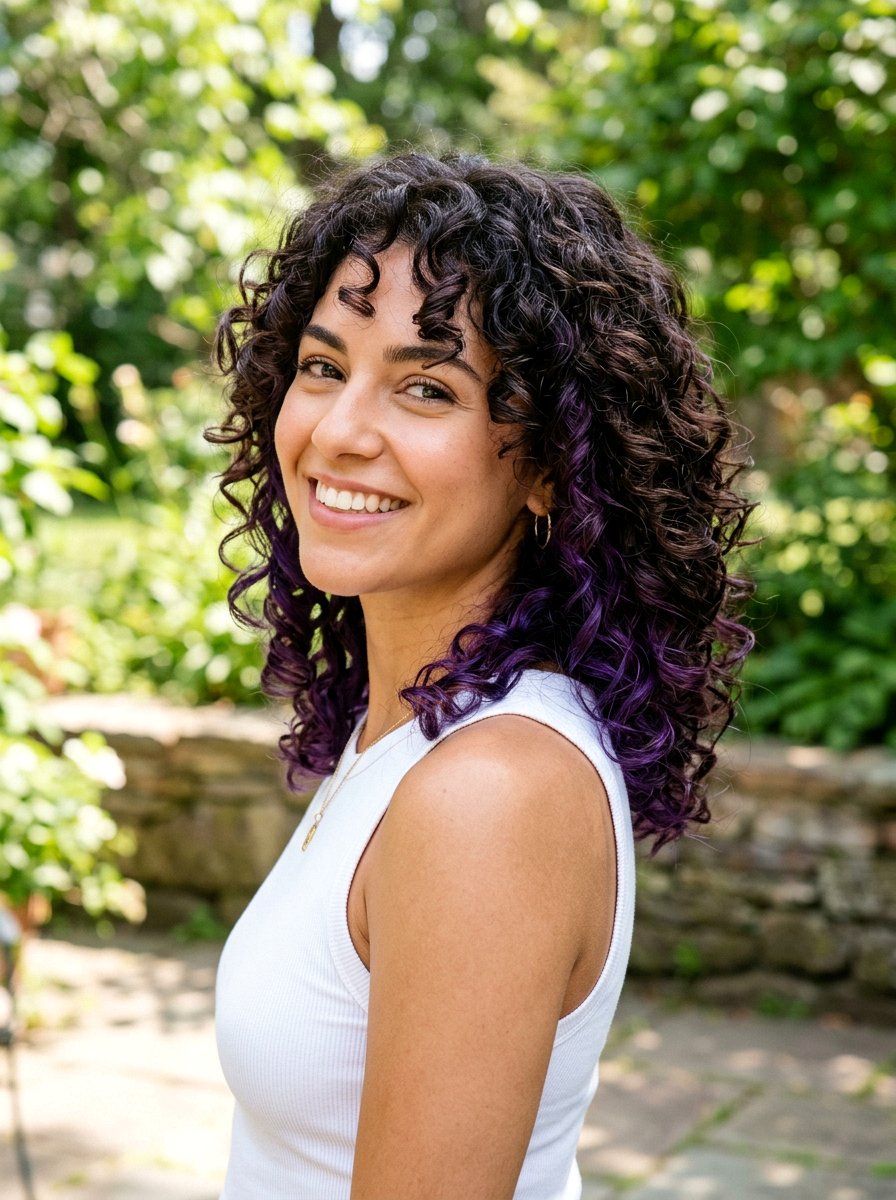
Violet highlights on black hair introduce a fun, fashion‑forward color while still respecting the depth of the base. Many people choose deep plum or grape tones instead of neon purple, which helps the look feel more grown‑up and wearable in different settings. On a black base, violet can look subtle indoors and then show a rich, jewel‑like glow in the sun or under bright lights. Colorists often like violet for people who want something playful but do not want to bleach their entire head, since deep purples can sometimes show up well on dark hair with less lift. This shade can complement a variety of undertones, though deeper plums usually flatter warm and neutral complexions, while cooler violets can shine on cooler skin. Semi‑permanent formulas are common here, so you may need regular refreshes; the plus side is that they are typically gentler and can fade gracefully.
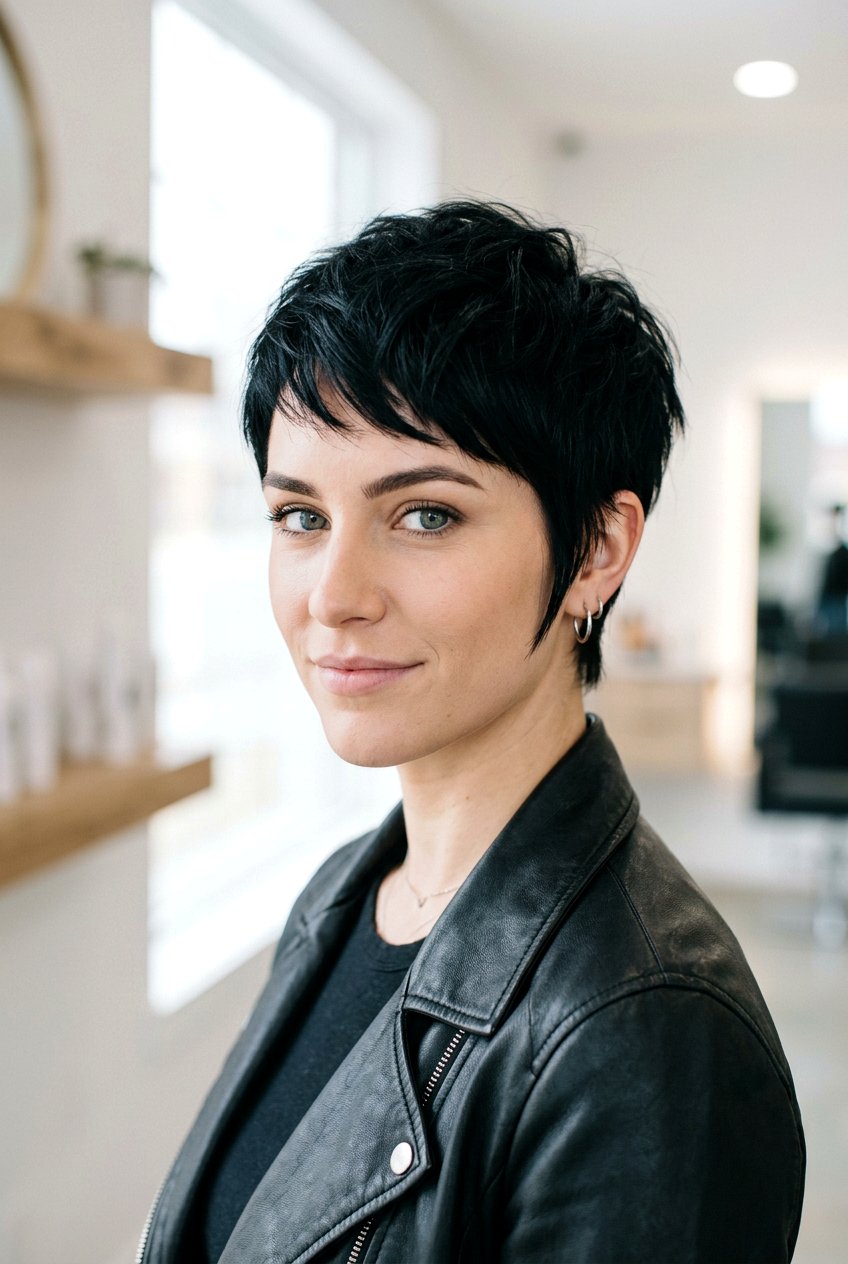
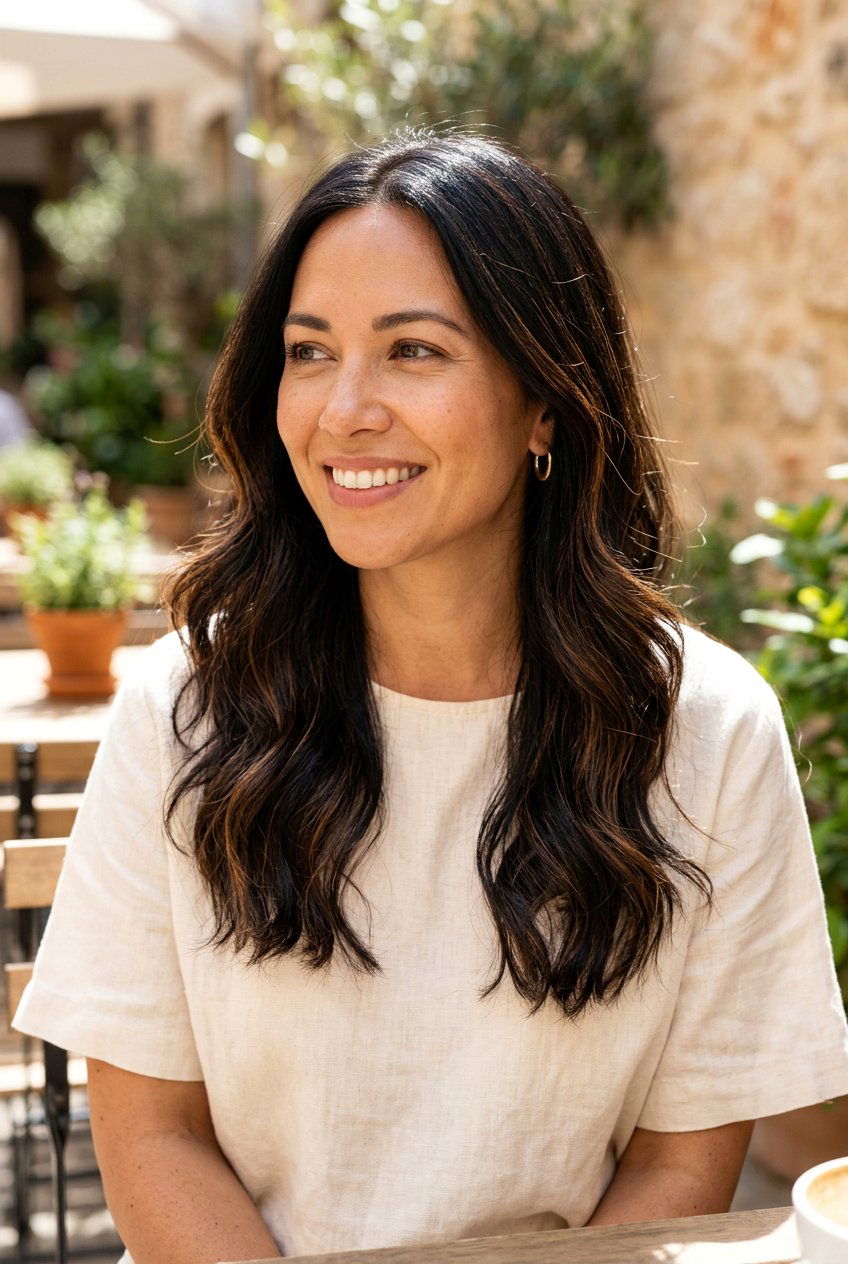
16. Black Hair With Red Balayage
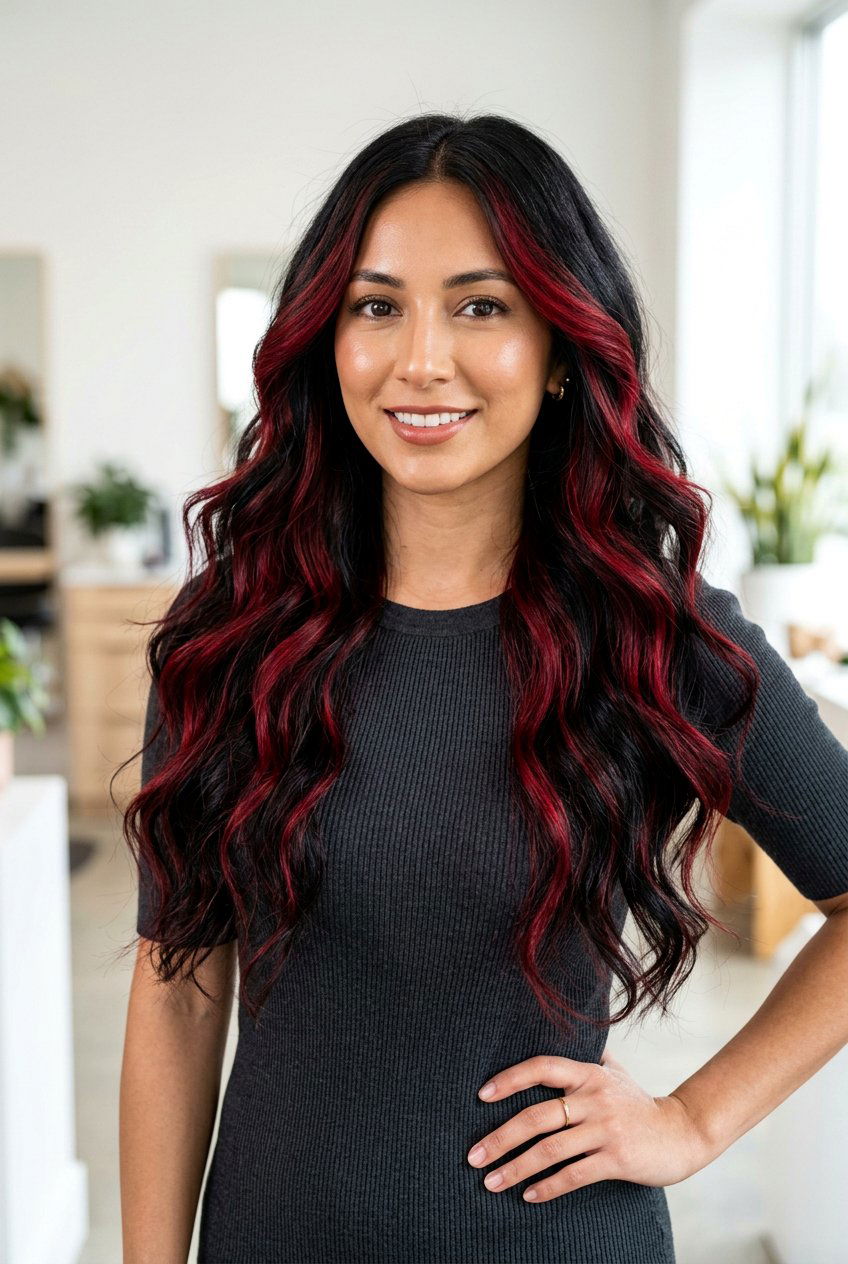
Red balayage on black hair brings bold warmth and intensity. In this look, the colorist sweeps red tones—ranging from deep cherry to more coppery reds—through the lengths and ends, blending them into the black base. This placement lets you enjoy a head‑turning pop of color without committing to a single vivid shade root to tip. Red tones often flatter warm and deeper skin tones especially well, bringing out golden or bronze undertones in a striking way. Because red pigments are known for fading faster than many other colors, stylists usually stress using color‑safe shampoo, cooler water, and UV protection to keep the color vibrant. If you prefer lower maintenance, you can ask for deeper, more burgundy‑leaning reds that fade into a dark brunette tone more softly instead of bright copper as they wash out.
17. Black Hair With Subtle Brown Lowlights
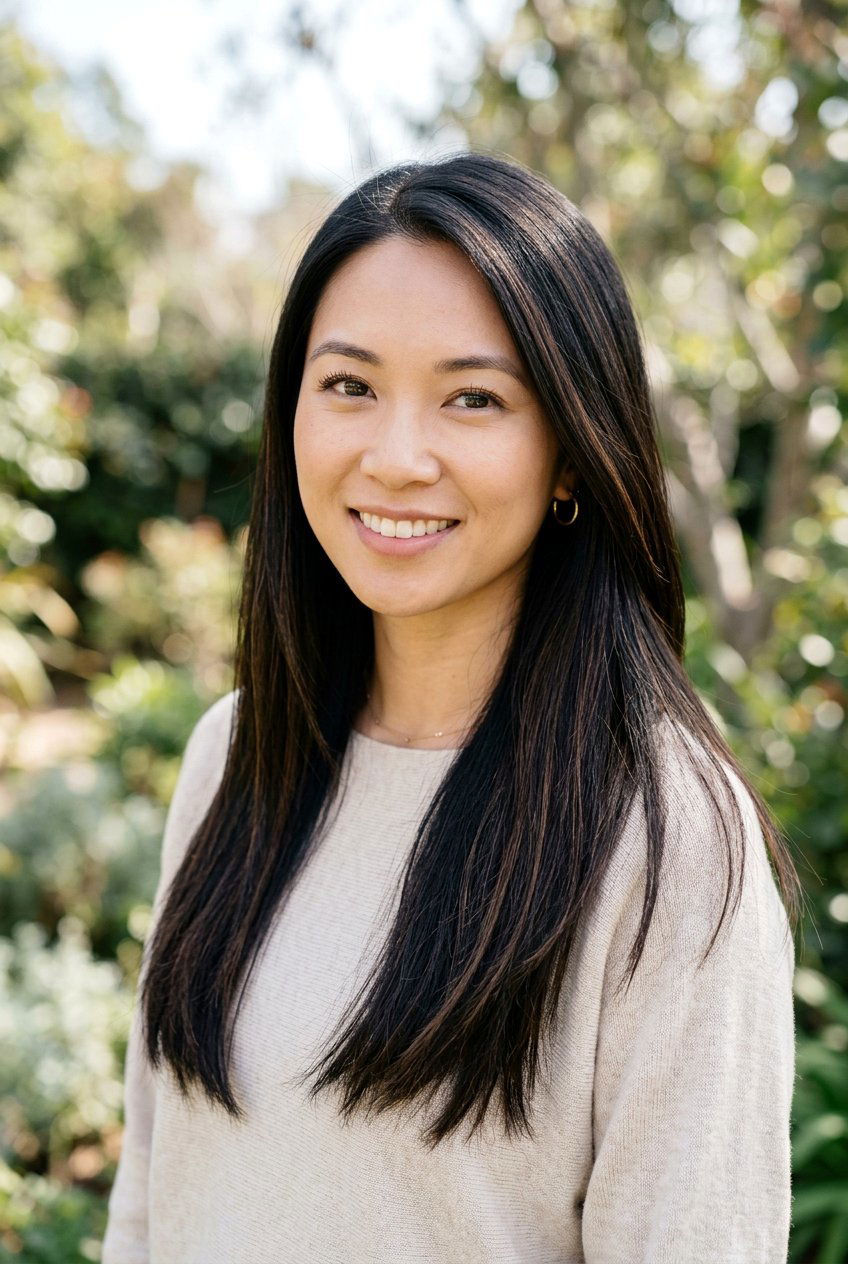
Subtle brown lowlights on black hair work in the opposite direction of highlights, adding depth instead of brightness. A colorist will place slightly lighter brown tones under the top layer or throughout sections to create the illusion of natural variation and movement when your hair shifts. This can be a smart option if your black hair looks too flat under everyday lighting but you do not want a noticeably lighter look overall. Lowlights can also soften stark roots if your natural color is not as dark as your current black shade, helping everything blend more smoothly. Because the color is only a shade or two lighter than the base, it is typically lower risk in terms of damage and usually needs less frequent touch‑ups. This technique plays well with straight, wavy, or curly textures, giving each texture a bit more visual interest without shouting “I have highlights.”
18. Black Hair With Warm Balayage For Curls
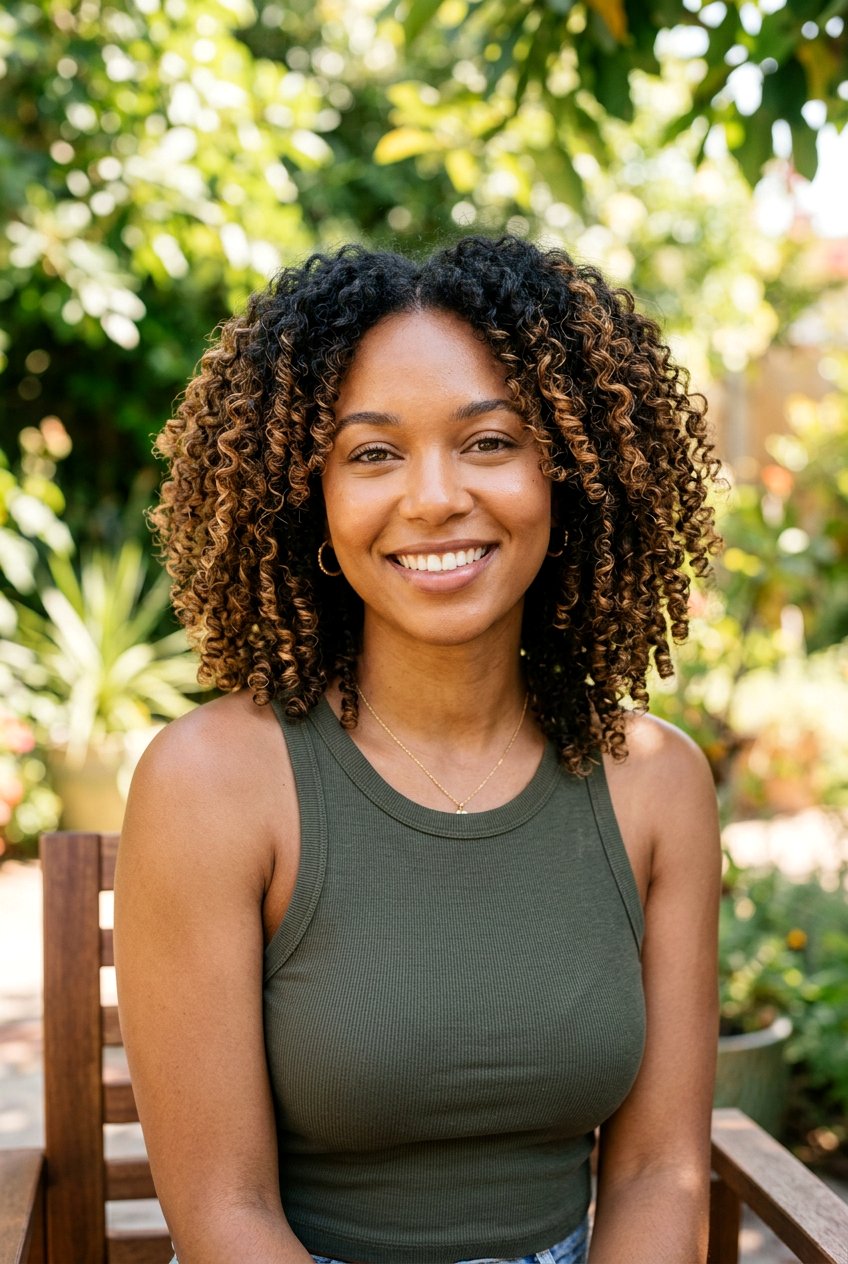
Warm balayage on black curls or coils is a big trend because it adds dimension without sacrificing health. Stylists often paint warm browns, caramels, or subtle coppers onto mid‑lengths and ends, focusing on the outer layers where the curl pattern can really show them off. On textured hair, this strategic placement helps each curl look more defined and bouncy, since the lighter pieces catch the light and emphasize the shape. For people with dark skin tones, warm balayage can also enhance the natural glow of the complexion, especially in outdoor light. Because texture health is a priority, many pros recommend semi‑permanent color, bond‑protecting treatments, and regular deep conditioning so the curls stay elastic and soft. Maintenance usually focuses more on hydration and frizz control than constant recoloring, since balayage tends to grow out softly on curly hair.
19. Velvety Black Hair Color

Velvety black hair color is all about a plush, soft‑looking finish rather than extreme, stark depth. Editorial stylists describe this trend as a black that has been softened with glosses and conditioning so it reads more “velvet” than “plastic shine.” Instead of looking flat, the hair reflects light in a gentle way, which can make the color feel more expensive and less severe around the face. This approach often uses semi‑permanent or low‑ammonia formulas, focusing on richness and shine rather than maximum pigment load. It is a strong choice if you want your black hair to feel modern and soft, especially if you wear your hair with natural texture or loose, touchable waves. Stylists usually suggest lightweight oils and shine sprays along with regular trims to keep the ends neat, since frayed ends can break the smooth, velvety illusion.
20. Glossy Black Hair Color With Shine Treatment
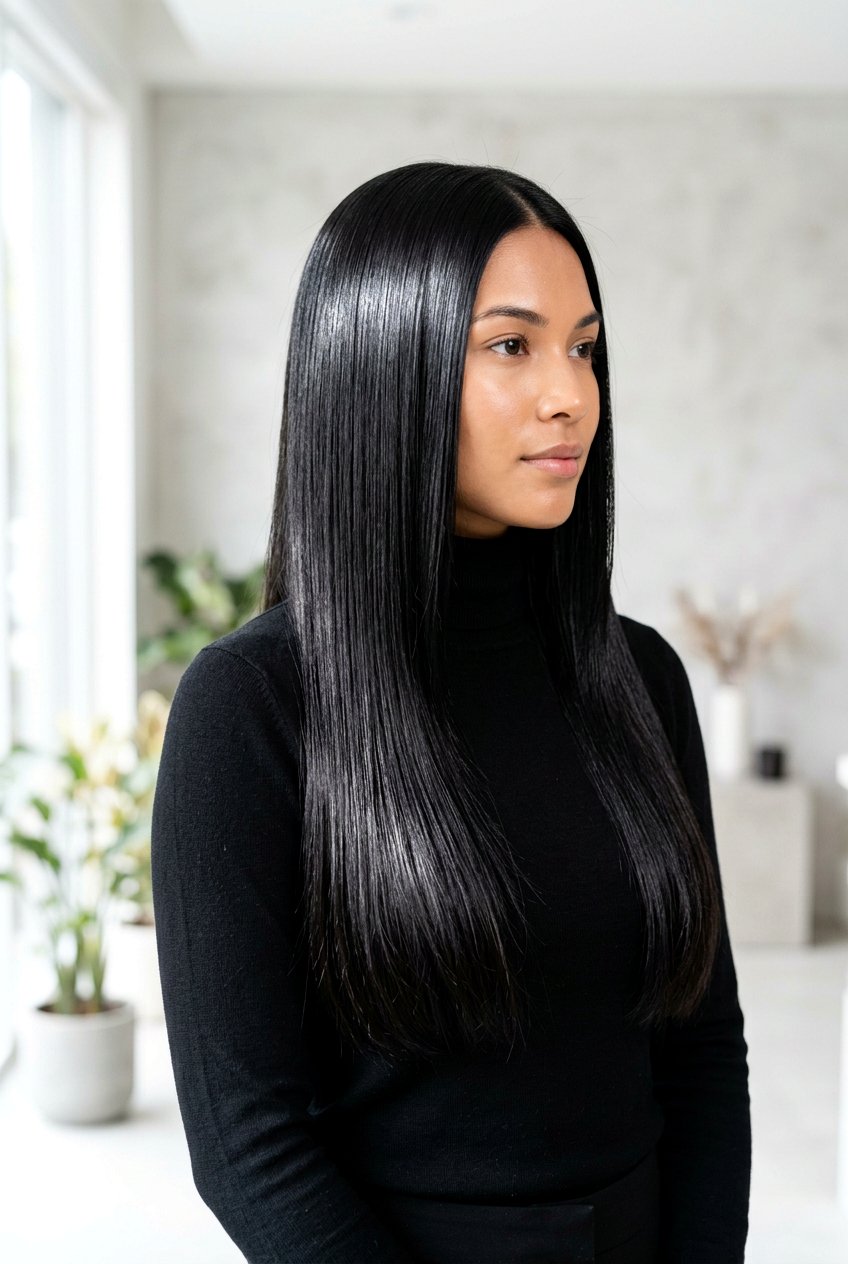
Glossy black hair with a dedicated shine treatment turns any black shade into a statement. Instead of changing your base color dramatically, the focus here is on using a clear or tinted gloss to boost reflection and smooth the hair cuticle. This can be layered over natural black, dyed black, or even brown‑black shades to enhance depth and make the color look freshly done. Many salons now offer gloss or glaze services that add condition and shine without a big commitment or strong line of regrowth. Glossy black works on all textures but can be especially impactful on straight or softly waved styles, where the light can literally travel down the hair shaft. At home, pros often recommend hydrating masks, leave‑in conditioners, and minimal heat styling to help that glassy finish last as long as possible between gloss sessions.
Conclusion:
Choosing a black hair color today is less about picking “just black” and more about fine‑tuning undertones, shine, and dimension to suit you. Whether you gravitate toward natural black, a dramatic jet black, or more nuanced options like brown‑black or blue‑black, there is a shade that can match your skin tone and style comfortably. If you want extra movement, pairing black bases with highlights, balayage, or ombre in chestnut, caramel, honey, or even violet is a popular way to personalize the look. People with curls and coils are also leaning into techniques that protect texture, using semi‑permanent color and glosses so their hair stays healthy while still looking rich and dark. Whatever option you choose, working with a pro to plan maintenance, use color‑safe products, and schedule the occasional gloss can keep your black hair looking reflective and luxe instead of dull or flat over time.
You'll Like These Styles:


Leave a Reply